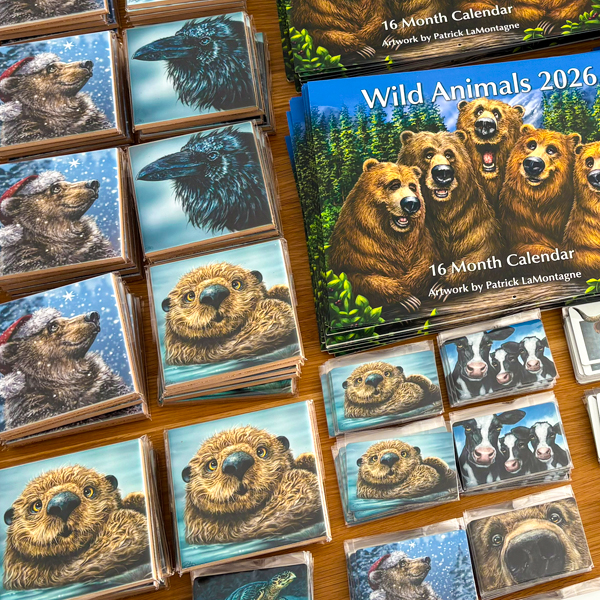
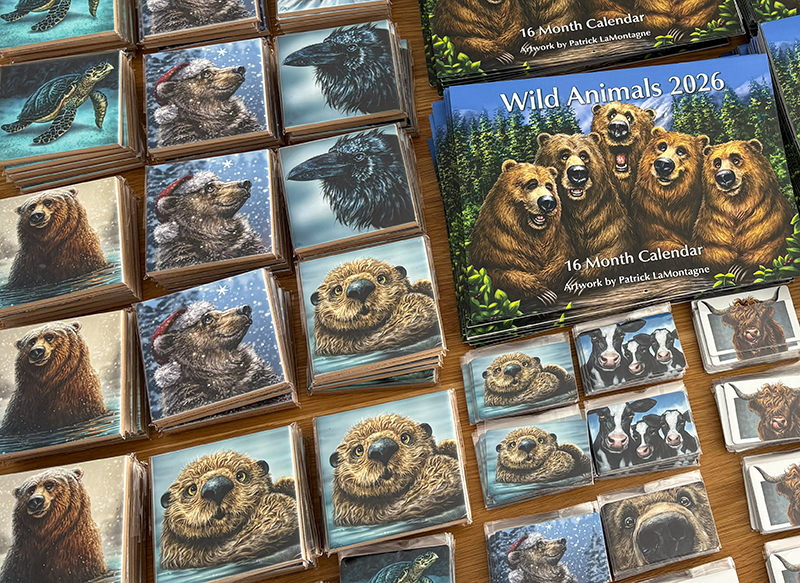
 Another Banff Christmas Market is in the books.
It was a very good year. Even with a couple of slow days where I wondered if it was going to be disappointing, the busy days more than made up for it. After thirteen long days over four weeks, my sales came in just a hair under last year’s excellent total, so I’m pleased the effort paid off.
I had an annoying sore throat after the first weekend, and I’m still not sure if it was a mild cold or simply all the talking I’m not used to in my day-to-day. Either way, I made it through without picking up one of the nastier viruses making the rounds.
The weather was mostly decent, although the final weekend was all over the map. We had a short cold snap earlier in the week and I had to plug in my block heater a couple of nights. Then Saturday night, with a Chinook wind in full force, it was +7C as I drove home to Canmore. By Sunday everything was a wet, sloppy mess, and the roads in town were still treacherous.
I talked to more people than I could possibly count over the past month. Long-time supporters who have followed my work for years stopped by to say hi or add to their collections. People I’ve never met were delighted to tell me they own one of my pieces from a vacation somewhere, and they were surprised to meet the artist who created it. I even met folks who’ve bought my art through Diamond Art Club, one of my licensing clients.
I also met locals who know my editorial cartoons and have seen my animal art, but had no idea the same person makes both. That’s not uncommon. People often recognize one or the other.
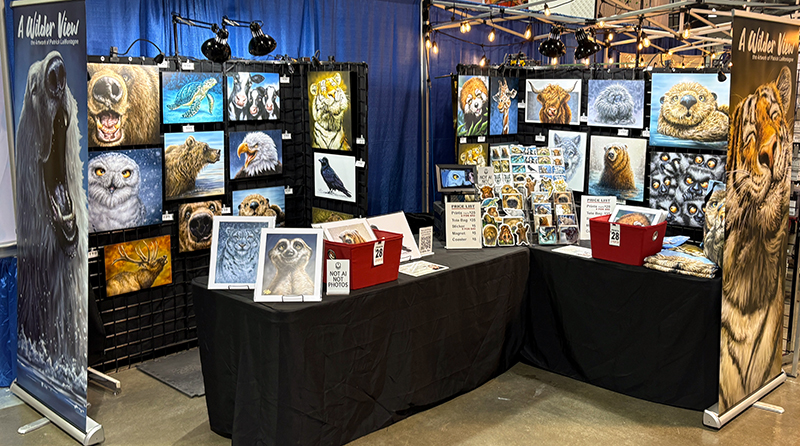
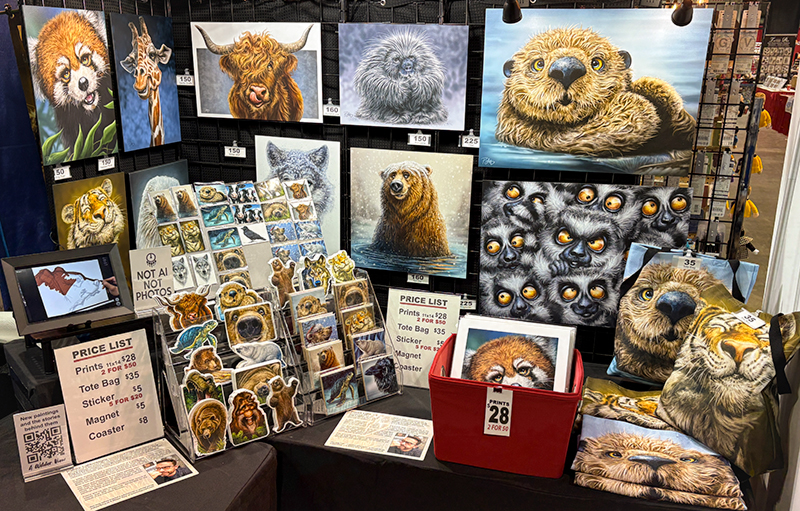
Mostly though, I met people who had never seen my work before and told me how unique it felt compared to everything else they were seeing. They asked great questions, and we ended up talking about what it’s like to be an artist right now, including how AI is affecting the art world. That part was prompted by the little signs I added to my booth this year and the video display showing my process.
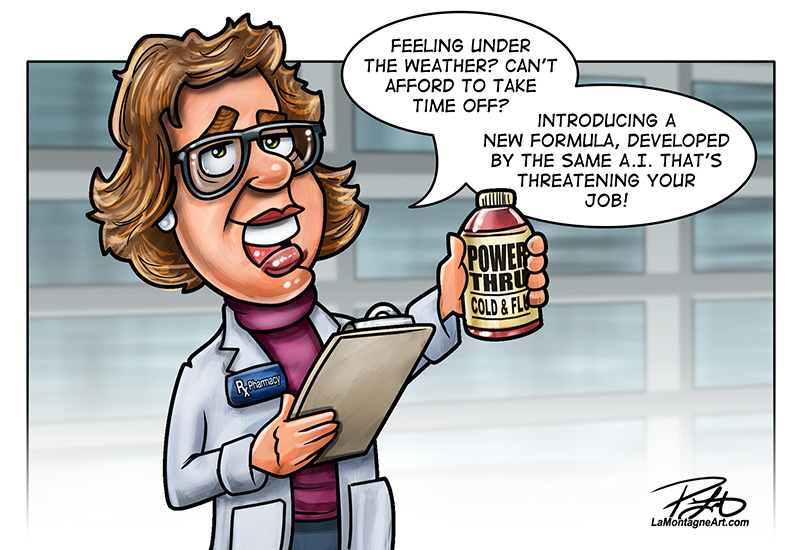
And on that note, Merriam-Webster’s word of the year is slop: digital content of low quality that is produced (usually in quantity) by means of artificial intelligence.
As expected, my 2026 calendars sold out, as did several best-selling prints (thankfully not until the last weekend). In hindsight, I ordered well this year, and there’s nothing I would have changed. It’s a good feeling to know I didn’t leave much on the table.
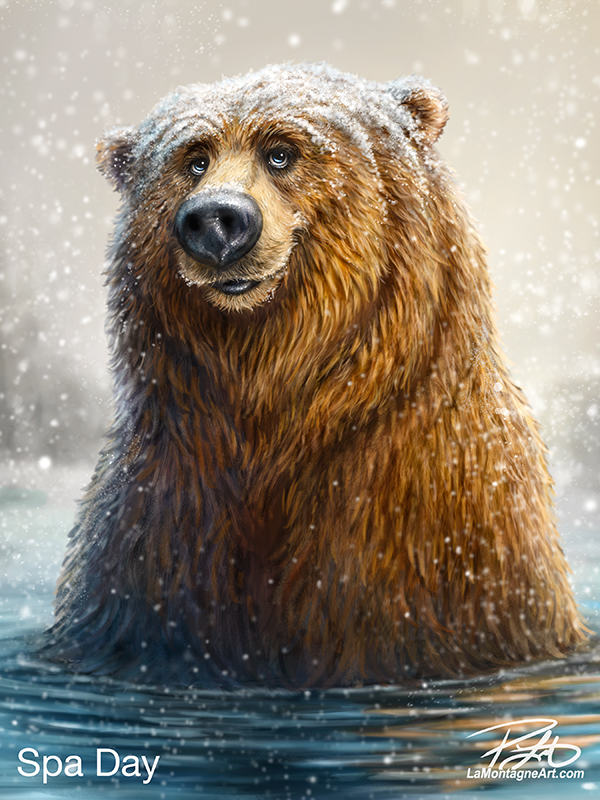
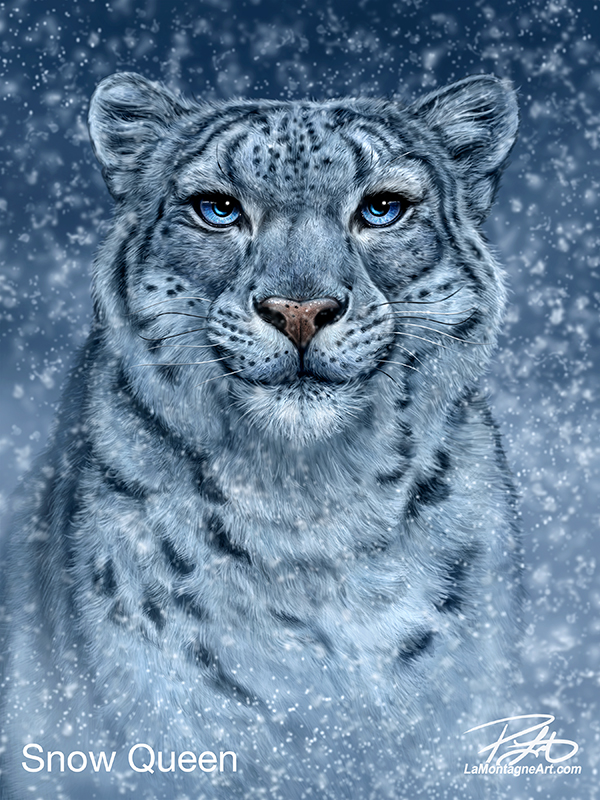
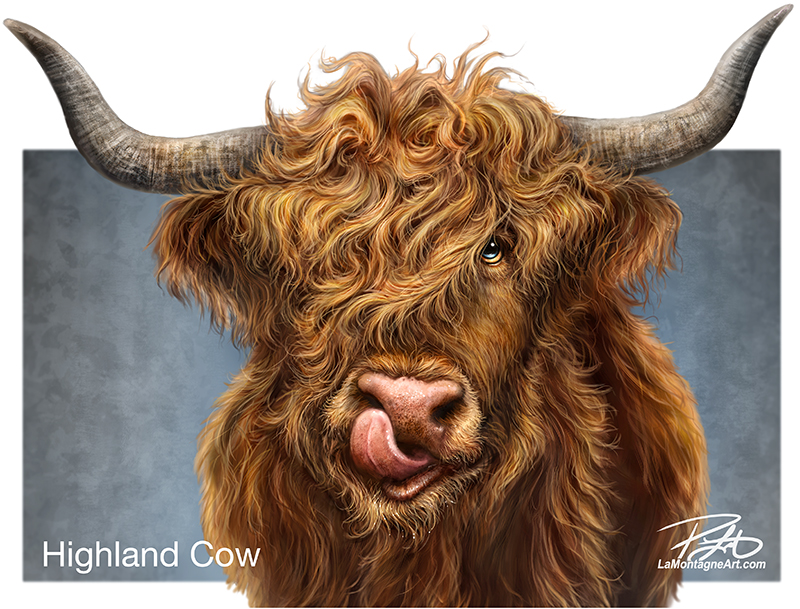 Highland Cow, Snow Queen, Otter, Sire, Kodiak Cub, Raven on White, and Winter Wolf were all popular again this year. Spa Day, one of my personal favourites, seemed to find its audience this year and was more popular than it has ever been. It ended up as my second best-seller after Highland Cow.
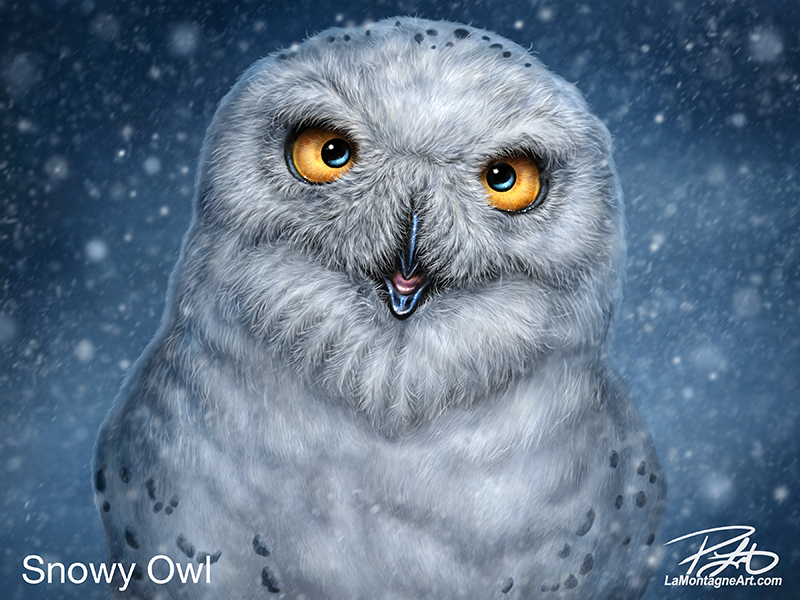
 After the first weekend, I was disappointed that my latest Snowy Owl painting didn’t seem to resonate, but it was a slow burn. By the end of the market it was in the Top 10 out of the 40 paintings I had on offer, so I’ll gladly take that win.
 The week after the Banff Christmas Market is still a busy one, but most of it is thankfully spent at home.
One thing about the market is the seasonal atmosphere. With the wood-burning fire pits outside, it feels like a proper Christmas village. People gather around with hot chocolate (or something stronger), eat from the food trucks, and soak it all in. A very convincing Santa makes the rounds and poses for photos, and all that’s missing is a few reindeer wandering around.
The consequence, though, is wood smoke. It gets into everything, and with the doors constantly opening and closing, I come home each day smelling like I’ve been camping. So every week I’m washing layers and winter coats, and after tear-down, my tablecloths, drapery, and booth covers all smell strongly of smoke. Six loads of laundry on Monday.
I enjoy the ambience of an airtight wood stove at the cabin I rent with friends, but outdoor fires don’t appeal to me anymore. I think it’s because I now associate the smell with forest fires. When this valley fills with smoke in the summer, it’s a reminder that evacuating is always a possibility.
Before I put all the booth hardware, displays, lights, and support kit away until April (Calgary Expo), I do a full inventory of what came home: stickers, magnets, coasters, prints, tote bags, metal and canvas prints. In a couple of months, when I start ordering for Expo, my future self will be grateful I did the work now.
Before the market, I had to remove a lot from my online store so I didn’t accidentally sell something online that had already sold at the market. This week I had to add it all back, though there’s a lot less than there was.
 I’m an introvert, like a lot of artists I know. I’m most comfortable working alone in a quiet place, so after all the noise and interaction, plus an incredibly busy schedule for the past couple of months (when I was already running on fumes), it takes a toll.
Newspapers put their holiday issues to bed early this time of year, so I had to draw nine cartoons this week to accommodate that. The upside is that next week I should be able to take some time for me.
That means painting what I want to paint. And with nowhere to be, I’m planning to indulge in a couple of guilt-free afternoon naps.
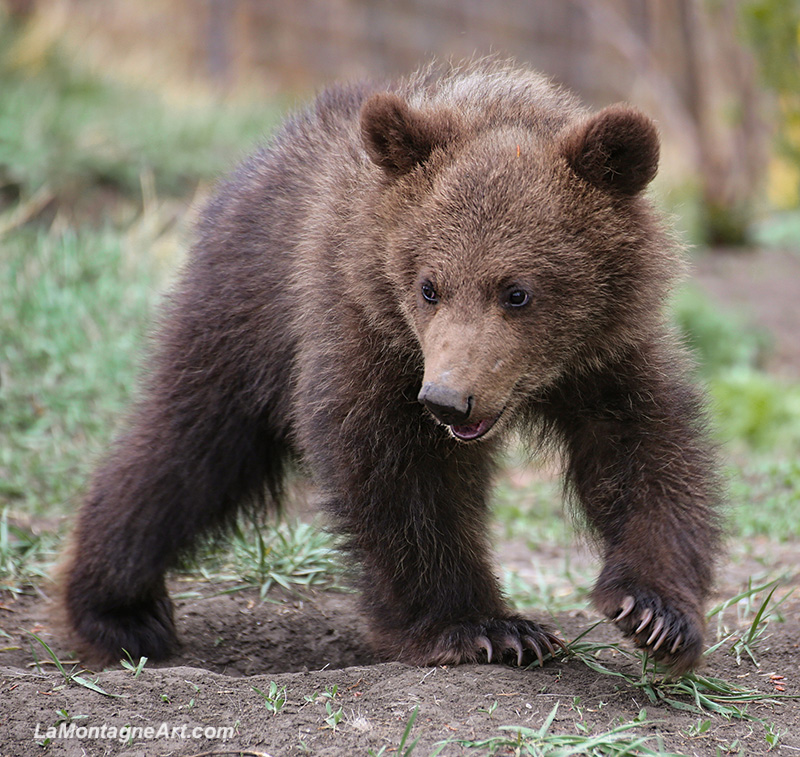
I have a half-finished raven painting I’ve been missing, and I’d like to get back to it. I’ve also been itching to do another painting in the same spirit as my popular Peanuts image. I’m not trying to replicate its success, I just miss spending a few hours on a close-up of a grizzly bear face, which is still my favourite kind of face to paint.
After all the human interaction lately, all I want for Christmas is some quiet time at home without deadlines.
So yesterday, I spent some time in the grizzly folder of my photo archive and found the reference I needed to paint the image in my head. Even though I have photos from many years ago up until this year, the main reference I chose came from a bunch of photos my friend Serena at Discovery Wildlife Park generously shared with me the last time I was there this fall.
I’ve got more to say on this topic, but my biggest failure this year has been balancing business and creativity. When art pays the bills, it’s hard not to ask myself for each new painting, “Will this be popular? Will it sell? Should I paint something else?”
But I also know that if money becomes the prime metric for deciding what to paint, it will rob the life and personality from my work. So that’s what I’m up against in the coming year: how do I create art that I’m proud of and enjoy, while still thinking like a business owner?
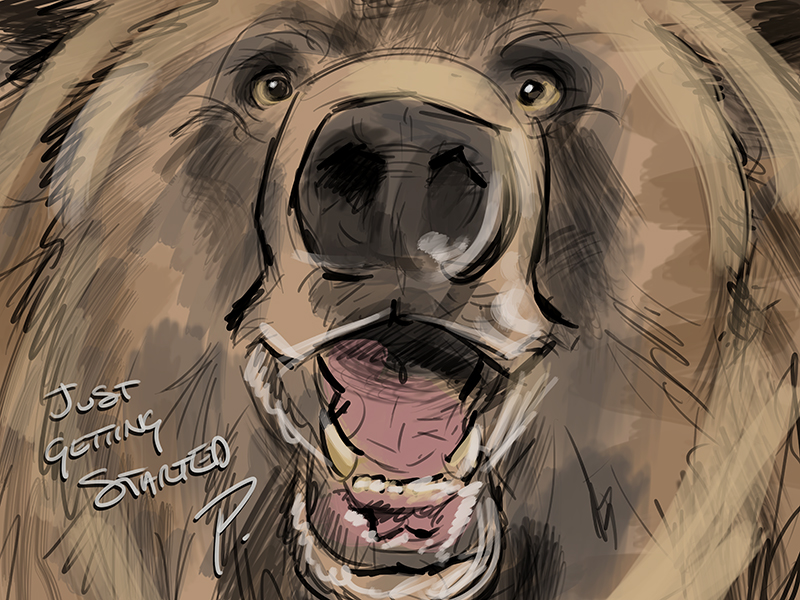 Ending the year painting a grizzly bear face will hopefully help me take some first steps toward better perspective. None of us gets out of this alive, and I’m desperate to use my time better.
Though I’m emotionally and physically tired and selfishly clinging to some alone time right now, I don’t want to sound ungrateful for the past couple of months of craziness. I truly enjoyed meeting so many of you at the Banff Christmas Market, especially those of you who come every year. You say such nice things about my artwork, and while compliments are always a little uncomfortable, they do help quiet the demons that tell every artist their work is never good enough.
So thank you to all of you who found me at the booth, took time for a chat, and took a little bit of my work home with you. I hope you put it somewhere it can make you smile, and that you notice it most on the days you really need it. And if you bought it to give to somebody else, thanks for helping my work travel a little further.
However you spend the next couple of weeks, whether with family, friends, or taking a little time for yourself, I hope you enjoy it.
Merry Christmas, and I’ll see you in the new year.
Cheers,
Patrick



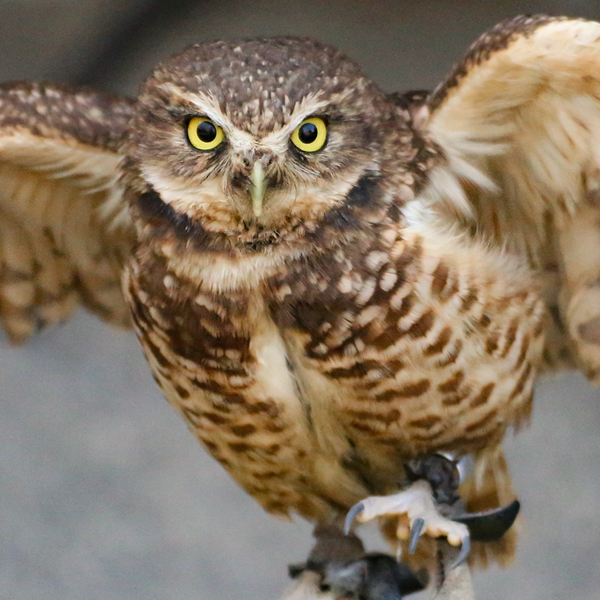
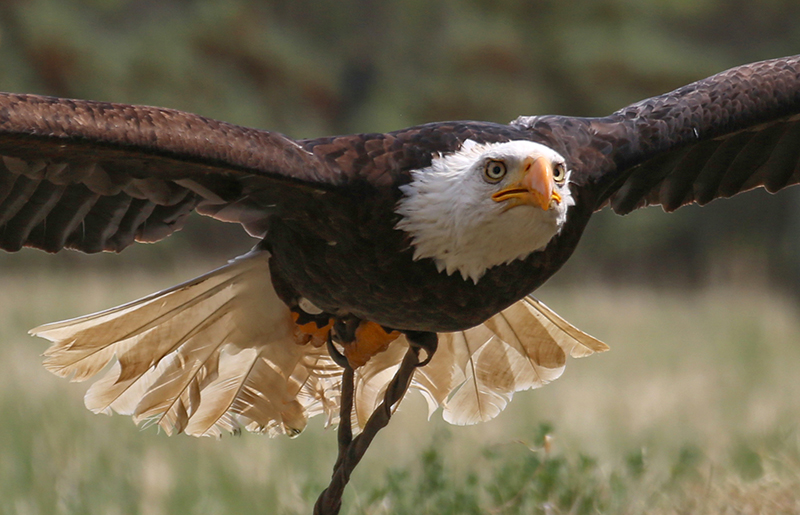 The past few weeks have been a whirlwind of excursions to gather photo reference. Rather than spread it out over the summer, I decided to group several trips together while the venues were quieter and before school let out.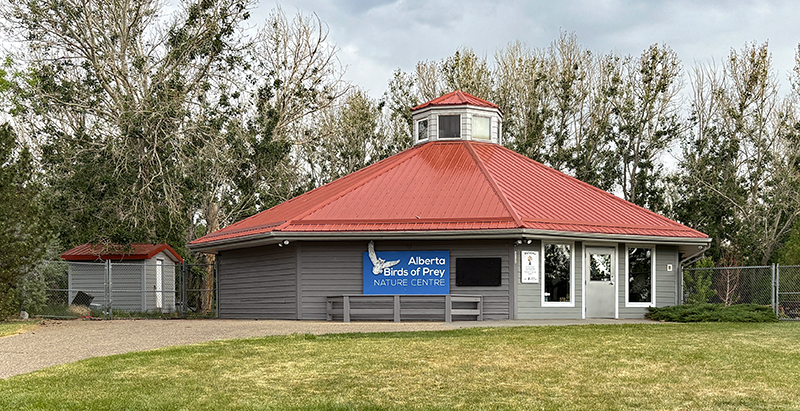
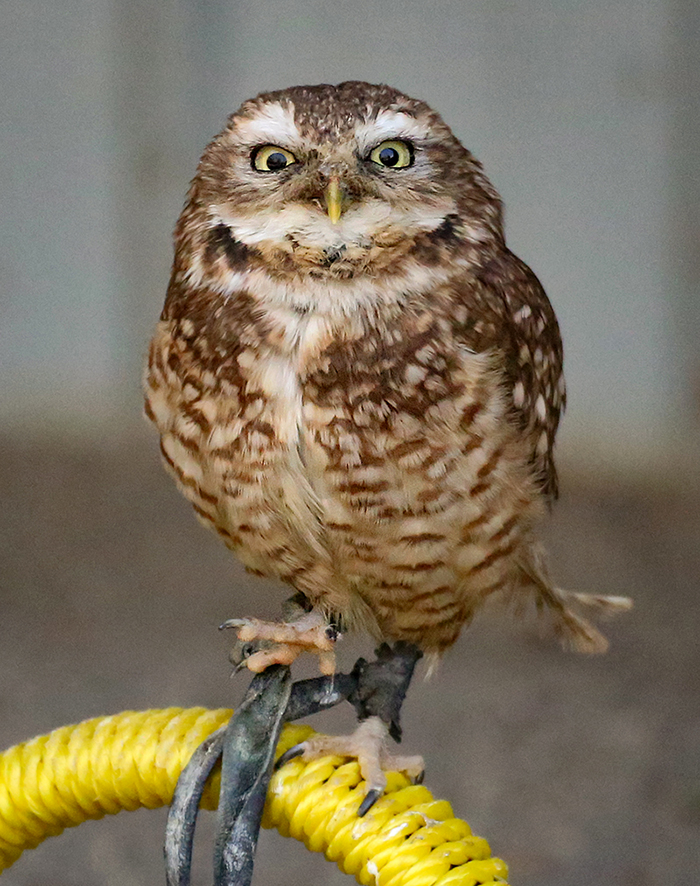 With all the photos I’ve taken the past few weeks, I have to get them weeded and sorted as soon as possible. If I don’t, they’ll sit in my “Photos to be Sorted” folder for far too long and become one more thing I need to get to.
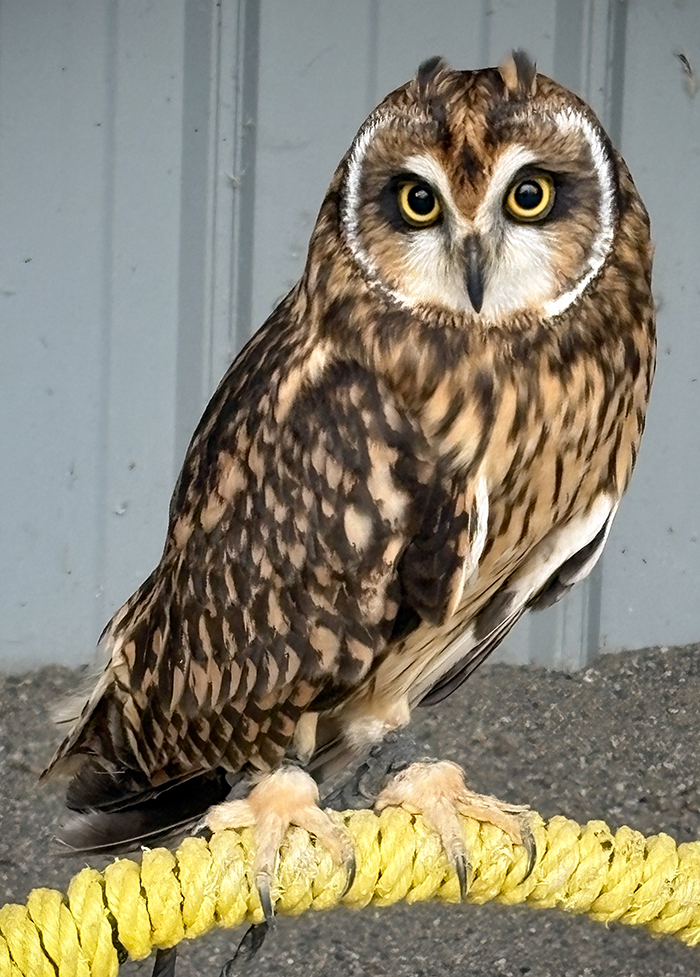 When I’m sorting photos, the first thing I’m looking for is whether they’re in focus. If they don’t show crisp detail, I usually delete them.
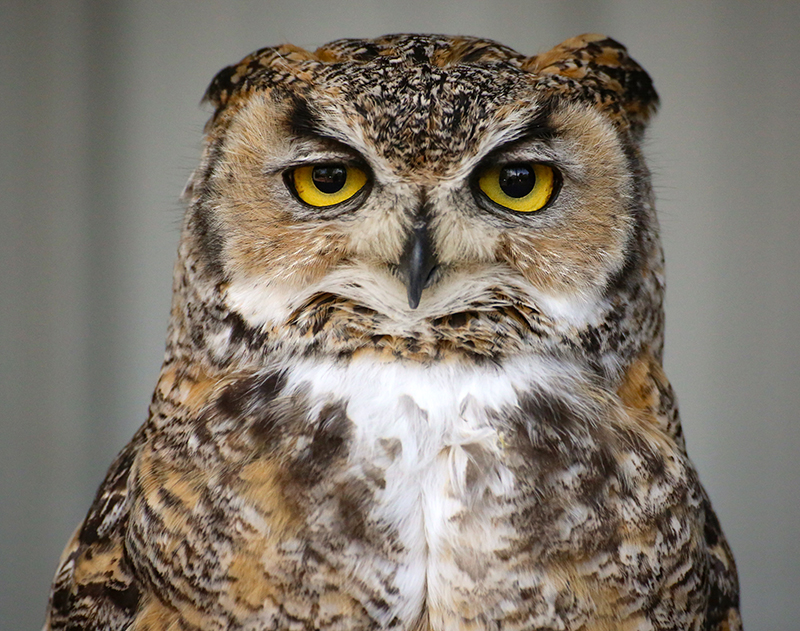 The third thing is, does it make me feel something? If it makes me laugh, or I think it’s cute, sassy, or any number of emotions, that means there’s probably a painting there, or at least the potential.
 If I keep every good shot, I’ve just got a folder full of the same kind of head-and-shoulders bald eagle photos taking up space.
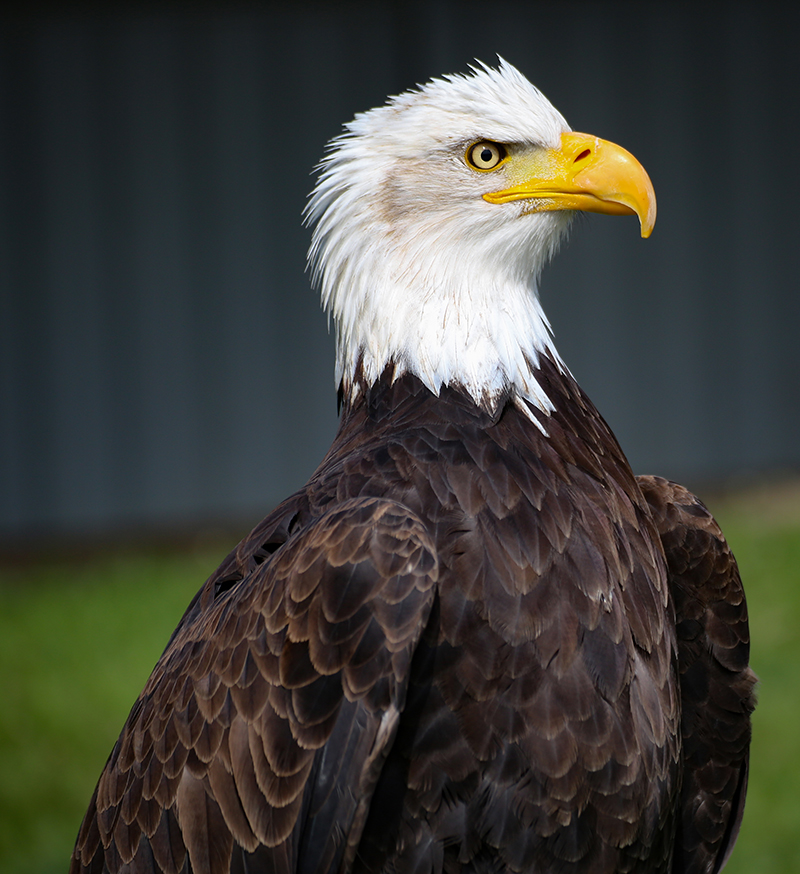 So that’s a keeper.
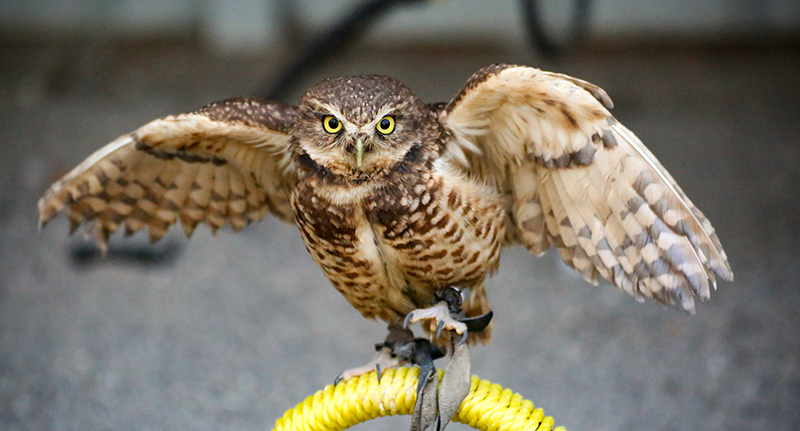
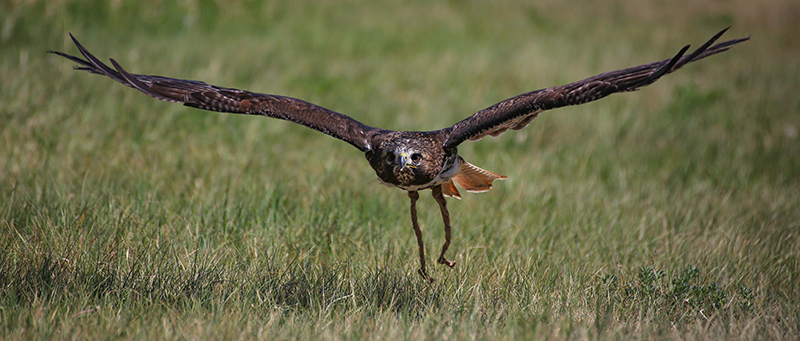 There is one final category of photos I’ll keep, but won’t likely ever use for reference, and that’s the memory of the experience.
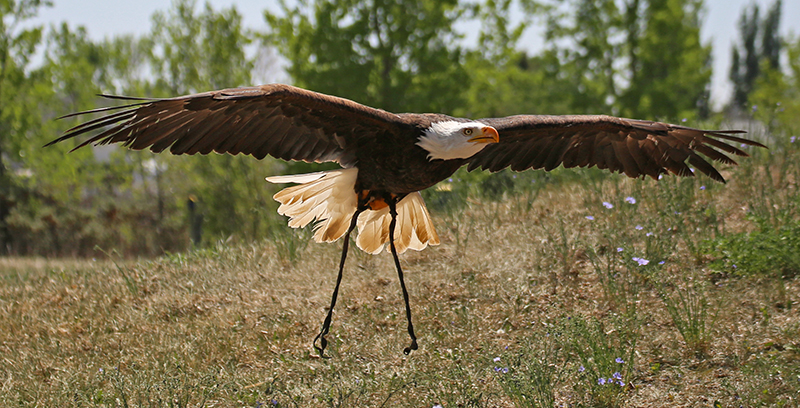 I always learn new things about the birds while talking to Colin and his knowledgeable staff. And frankly, they’ve spoiled me with some incredible animal encounters over the years. This trip was no different.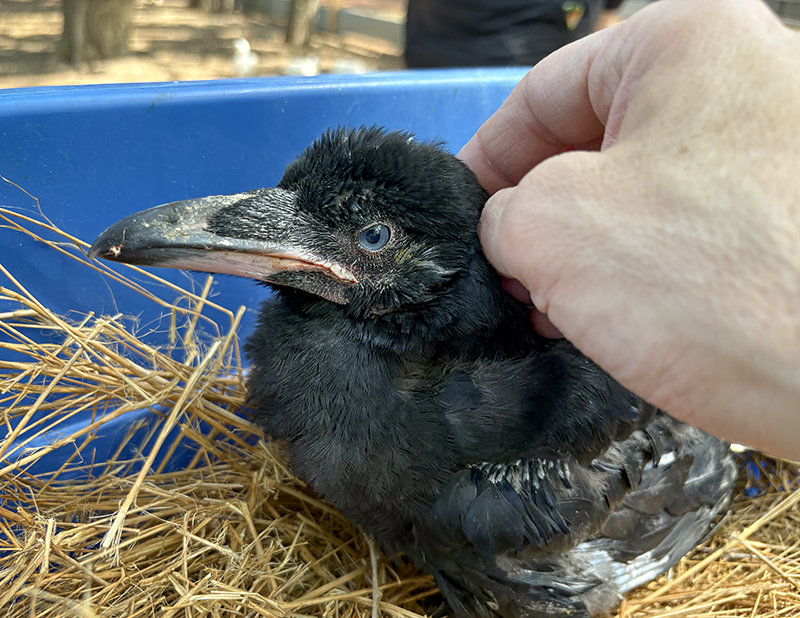
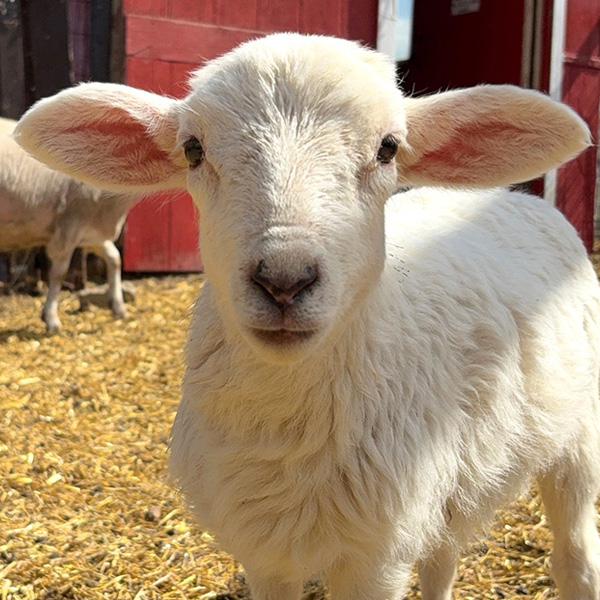
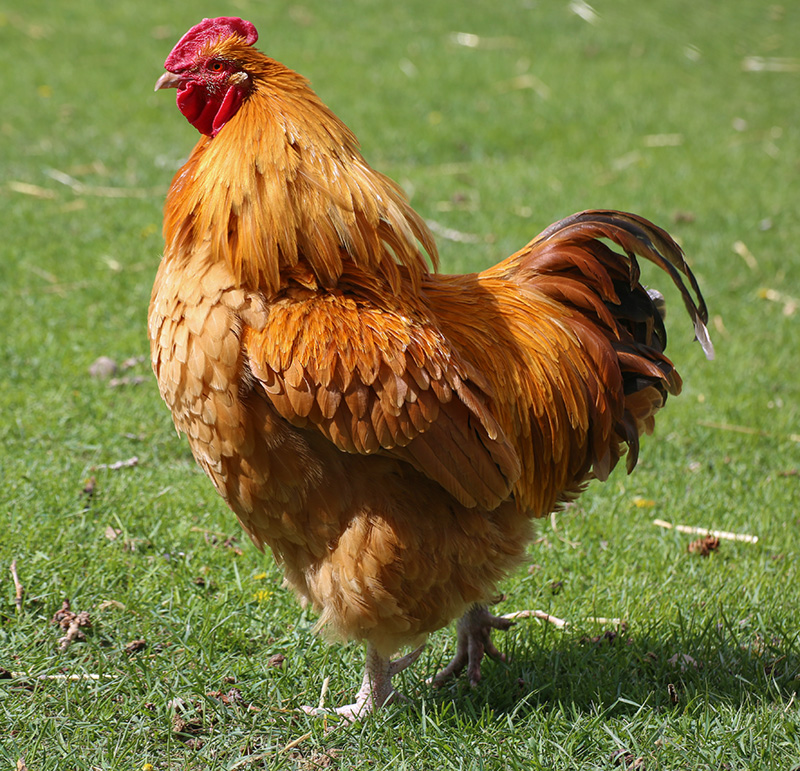
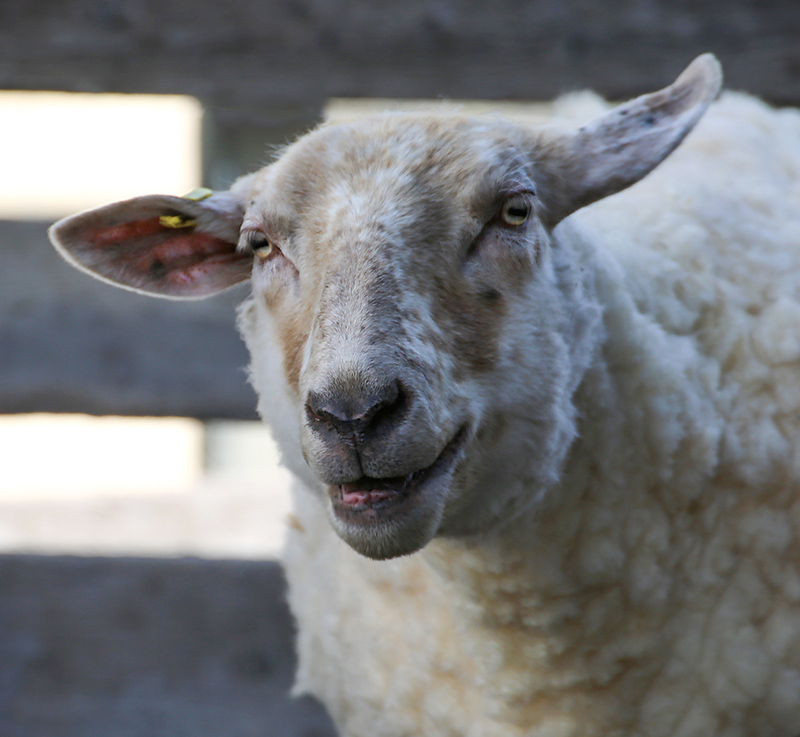 For example, later this week I’m heading out on a three-day road trip to gather more reference. To make that happen, I spent Saturday morning working on a commission, drew a cartoon that afternoon, drew three more cartoons Sunday, I have to finish my month-end invoicing early because I’ll be away Friday, wrote this post, sorted and edited last week’s photos, and prepared my camera and video equipment for the road.
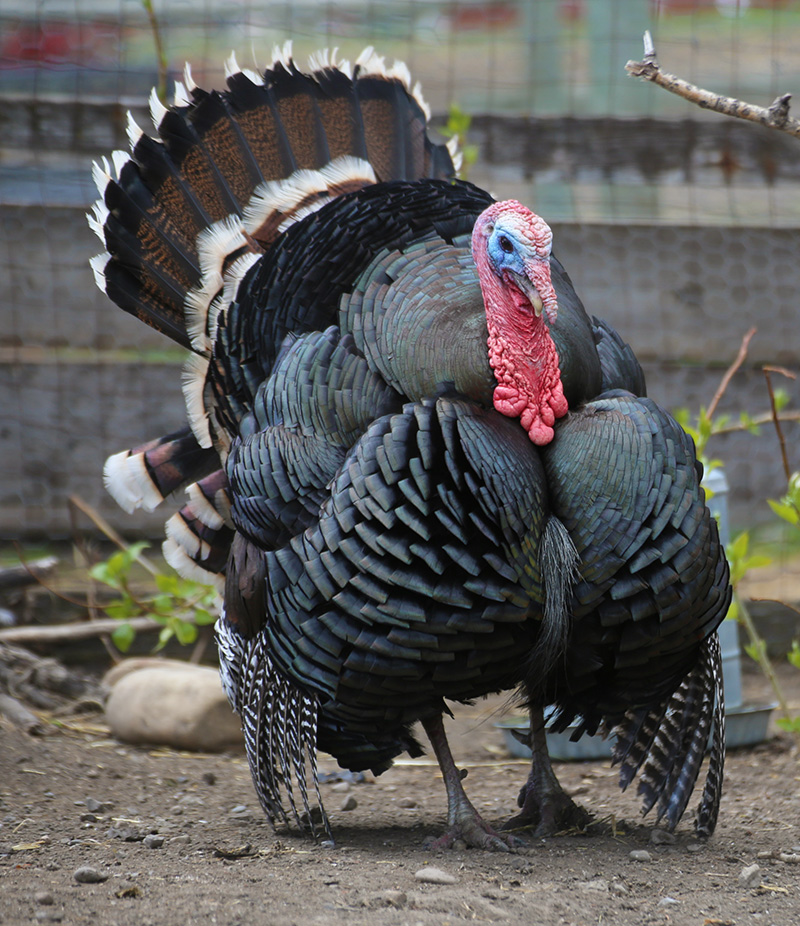 I want to paint a rooster, donkey, pig, sheep, goat, turkey, and other barnyard standards. When I mentioned needing reference photos, people volunteered places they knew about in the area.
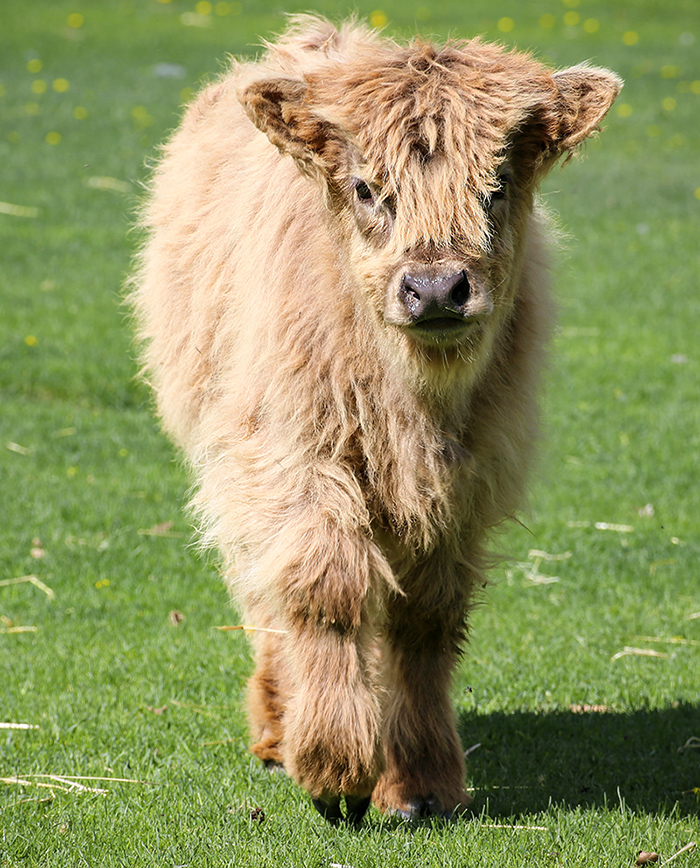 I came away with excellent reference for a Highland calf, a stunning rooster, and a very large turkey. That last one will be a challenge to make appealing because, frankly, turkeys aren’t attractive animals. I also got some photos of a couple of spring lambs.
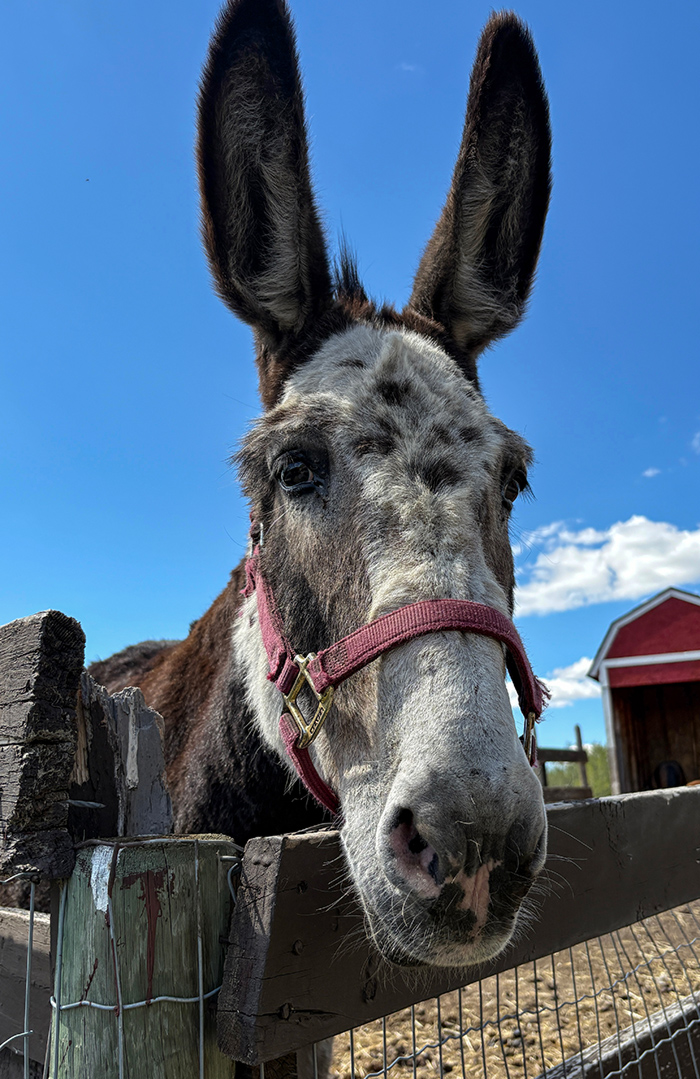 The following day, the weather was still good, and since I was on a roll, I decided to visit another nearby venue that a couple of people at Expo had recommended.
 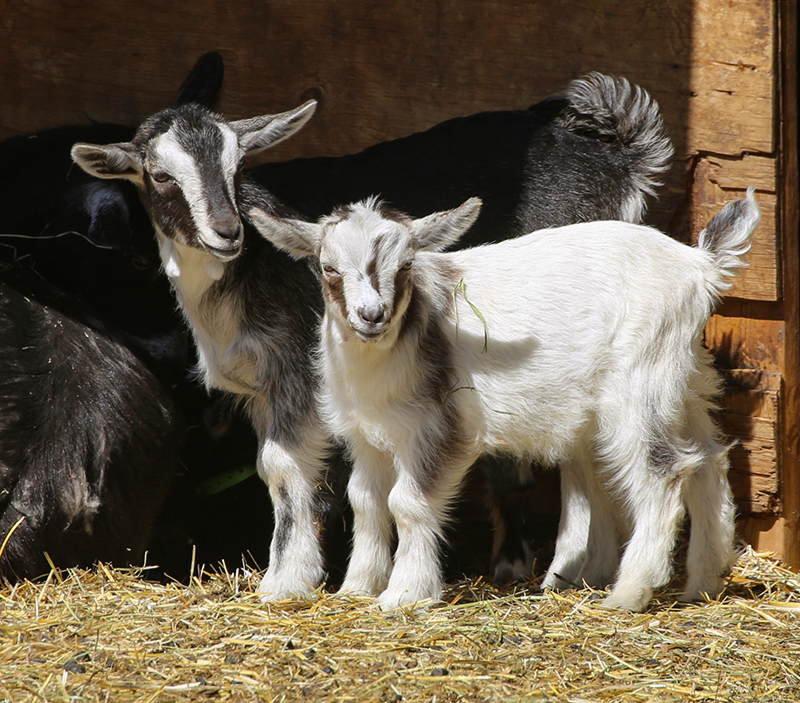 They’re only open for four hours on weekdays right now, but that proved to be more than enough time to get the photos I needed.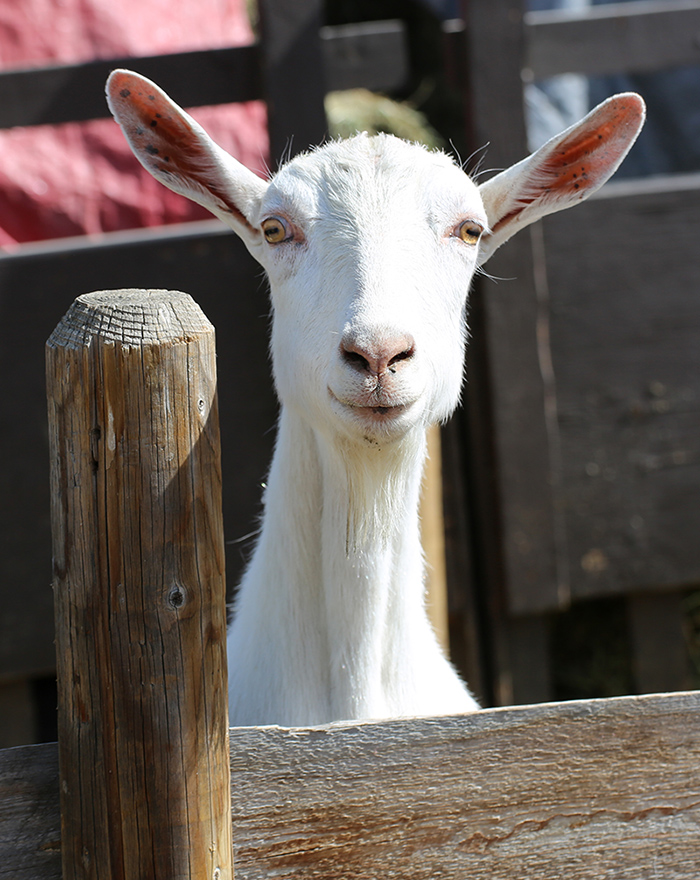
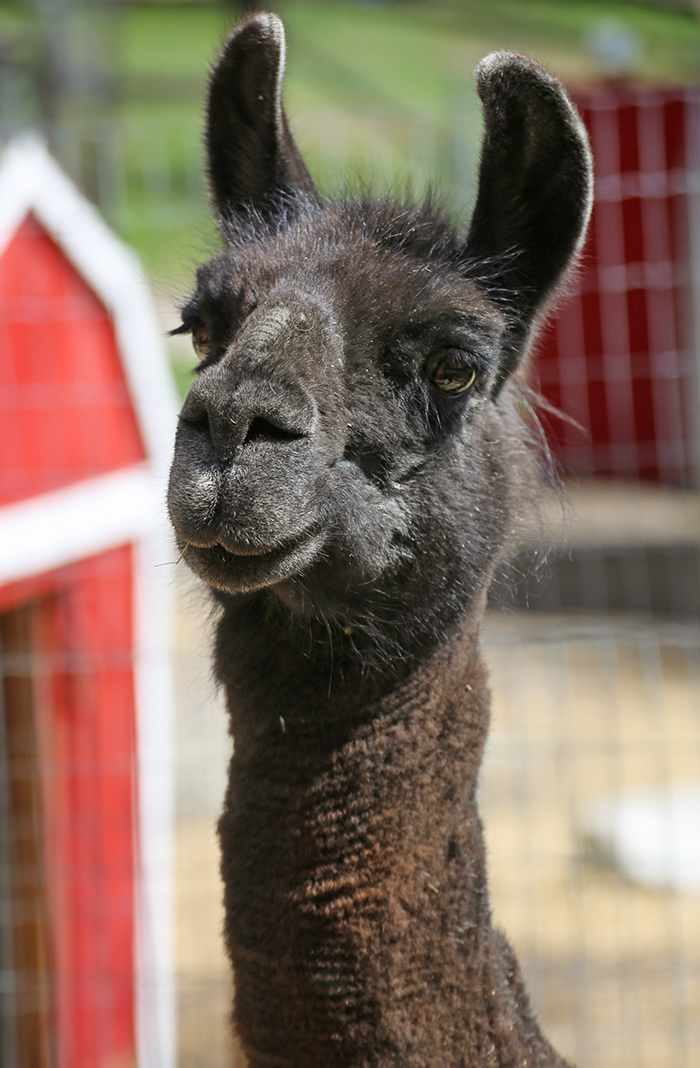
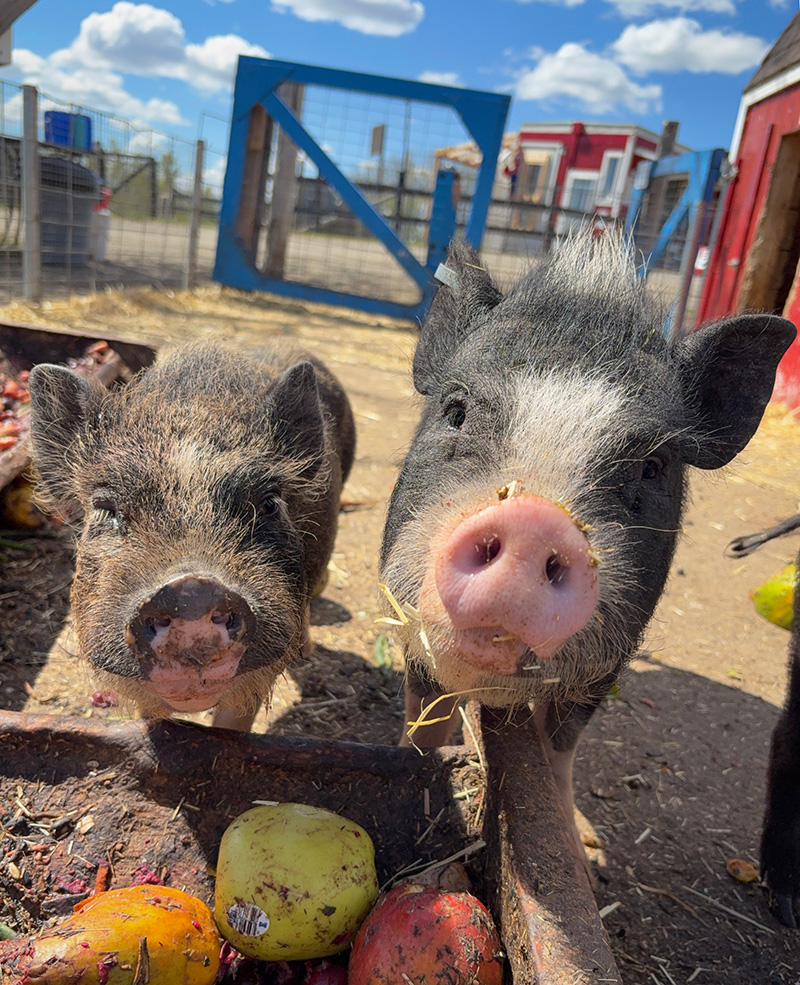
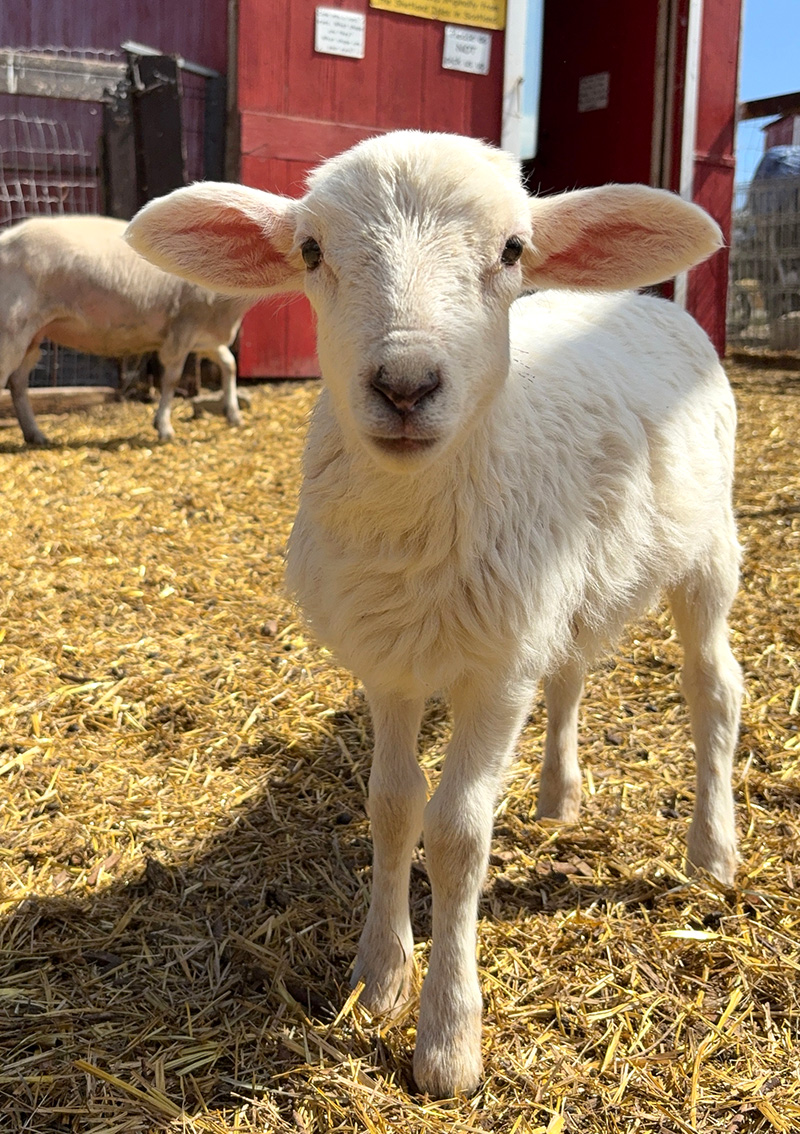
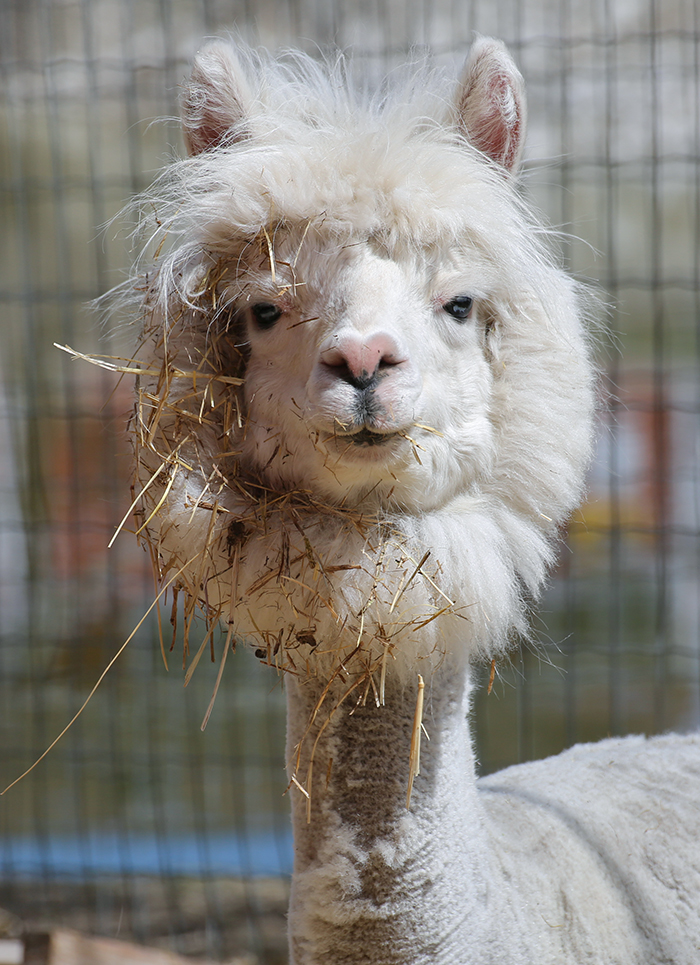 I came home with so many good reference shots. Most often, it’s the photos I wasn’t specifically looking for that later reveal themselves as worthwhile painting subjects. I got plenty of pictures of pigs, goats (and kids), sheep (and lambs), alpacas, llamas, a donkey, and another Highland cow.
 Even though it feels like I’m having a hard time keeping my head above water with deadlines right now, I’m glad I made these reference trips a priority this year. Between the
  Add whatever I bring home from this week’s trip, and I should be set for quite a while. That doesn’t mean I’ll stop looking for critters when I get the chance, but when it’s time to start a new painting, I won’t be short on subjects. Of course, I already have several paintings in progress and a commission to finish first, so these new ideas will have to wait their turn.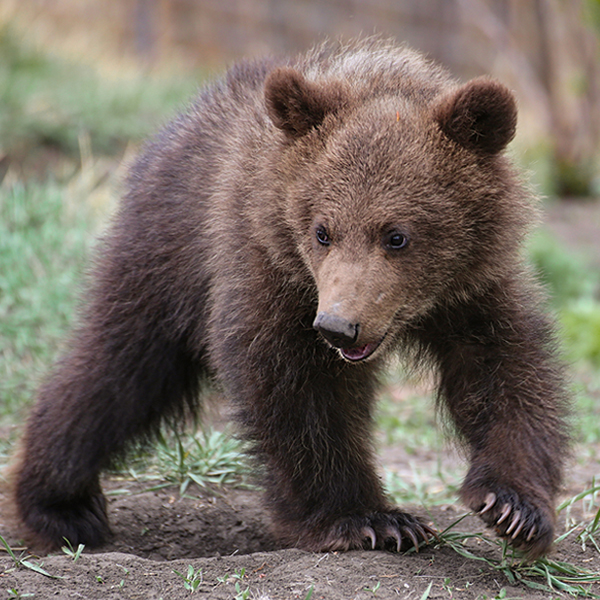
 Last week, I went up to Innisfail to deliver the first print and sticker order of the season to
 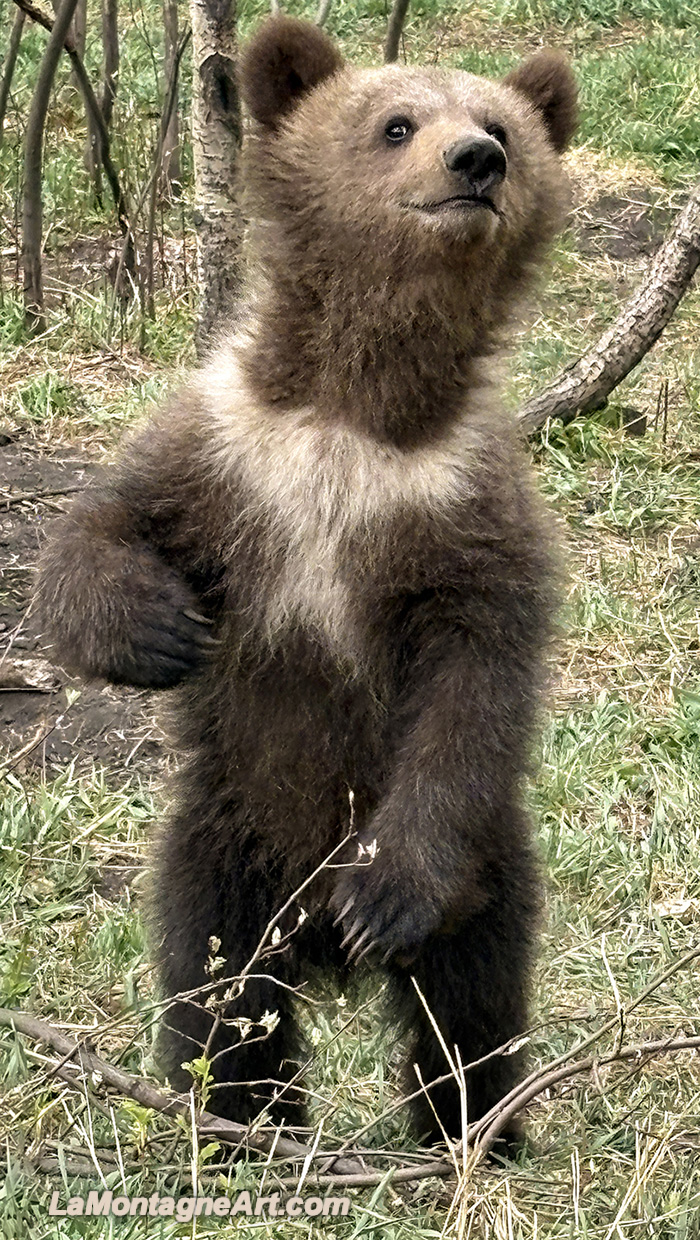 Many of these animals were orphaned, injured or unable to survive in the wild and would likely have been euthanized if the park hadn’t taken them in. I’ve also seen firsthand how much Serena and her staff care about them, not as attractions, but as animals they’ve invested years of their lives into caring for.
 They talk about making noise on trails, travelling in groups, carrying bear spray and knowing how to use it. They explain proper food storage while camping, why people should stay in their vehicles if they see a bear on the highway, and why a fed bear is a dead bear.
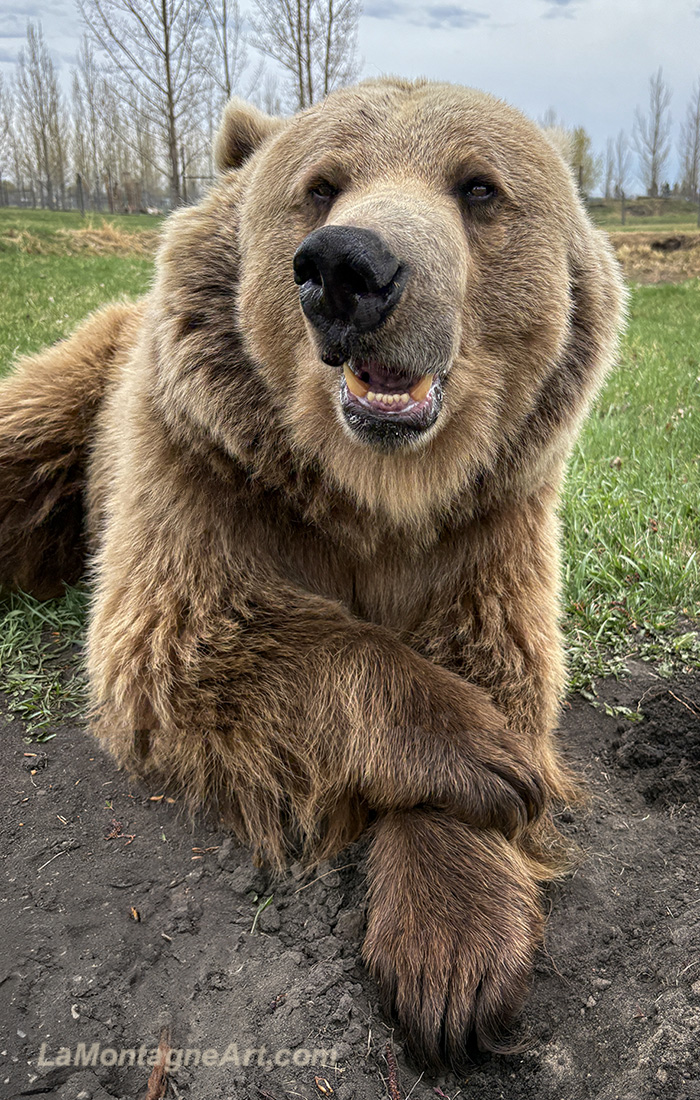 Because she was so close, I only needed my phone camera and I think I got the shots I needed for the painting I have in mind. Honestly, there’s no other bear I want on the cover of that book. There’s something profoundly special about Berkley that I still can’t quite explain, so I keep trying to find and show it when I paint her.
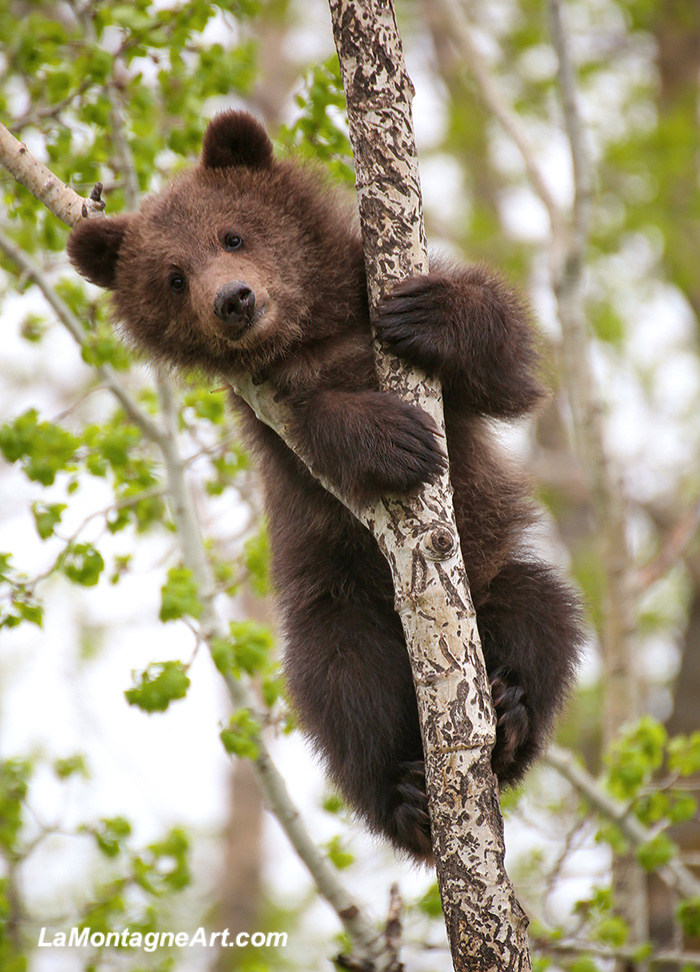
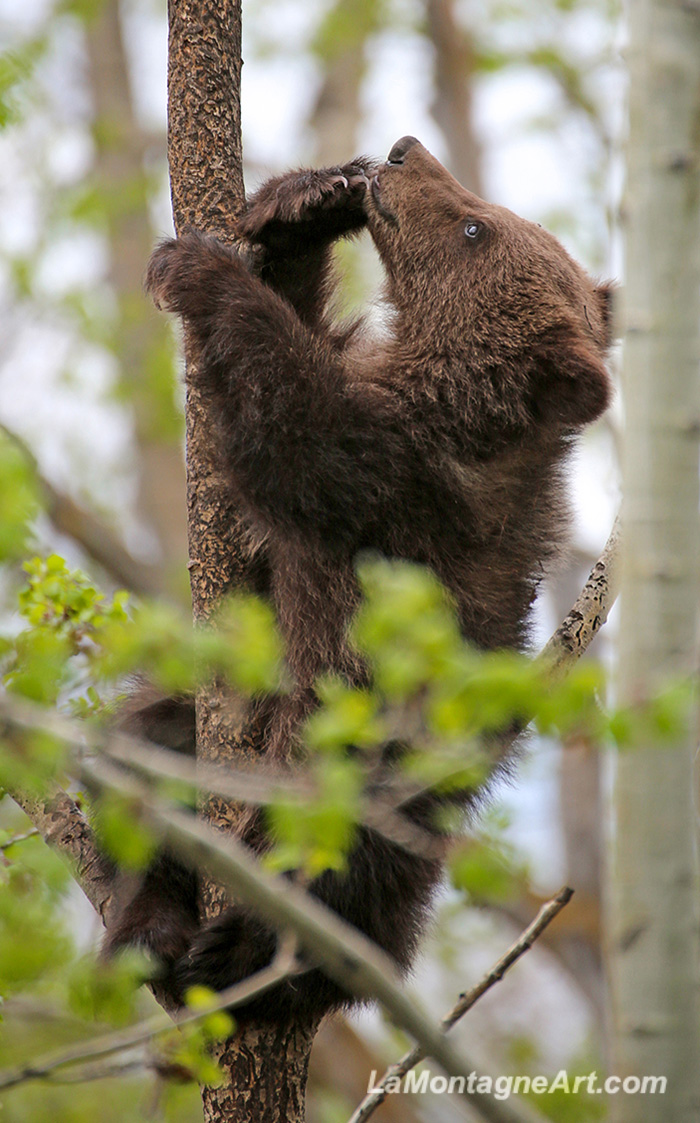
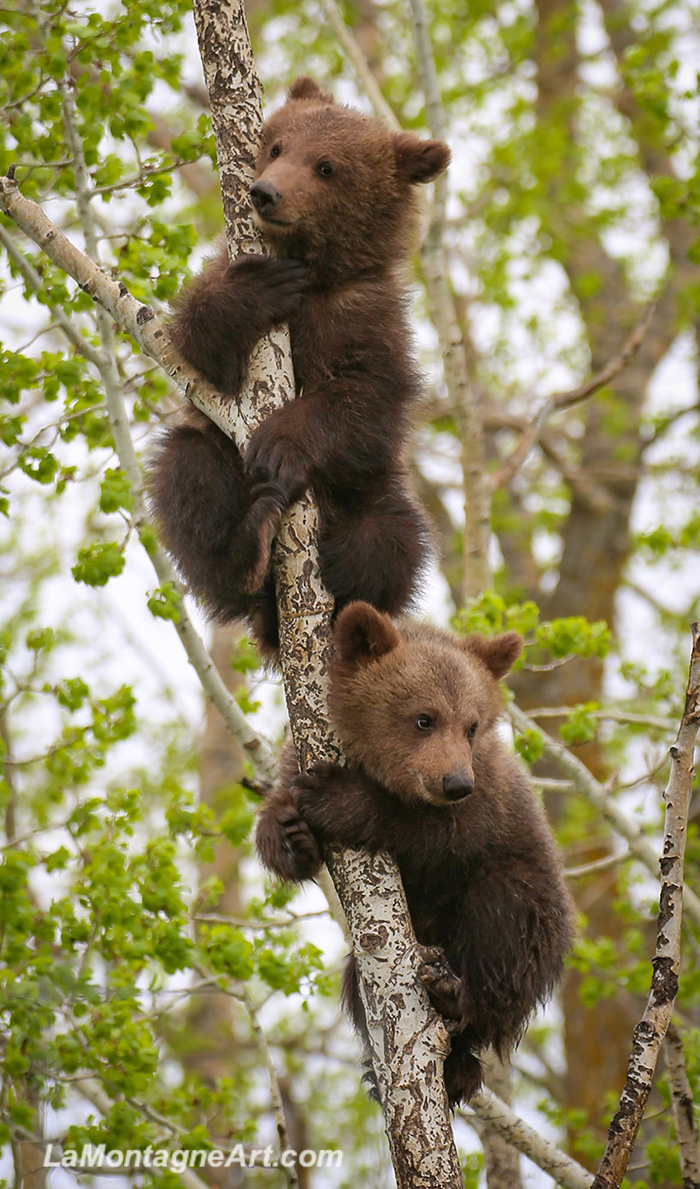 I also got to photograph the new cubs at the park, and some of the reference I captured last week is among the best I’ve ever shot. Watching them climb and tumble around, I already see several possible paintings in those photos.
 One aside to this whole experience. I’ve wanted to record more of these trips for
 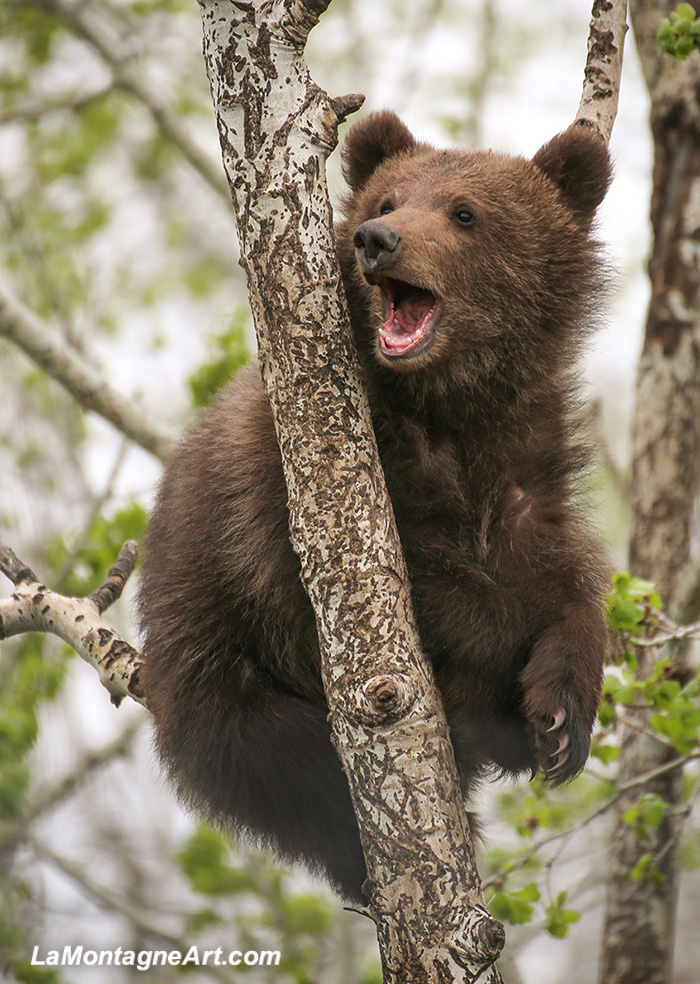 I’ve got a few more trips planned over the next couple of weeks to gather reference for upcoming paintings. It would be easy to forego these excursions in favour of more time working at my desk, as catching up is still proving frustrating and impossible. But spring is one of the best times for taking pictures. The animals are active, the light is softer, and there are babies everywhere.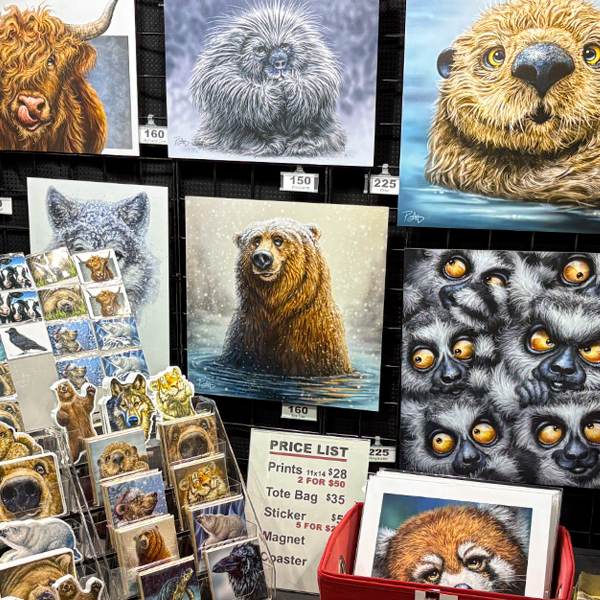
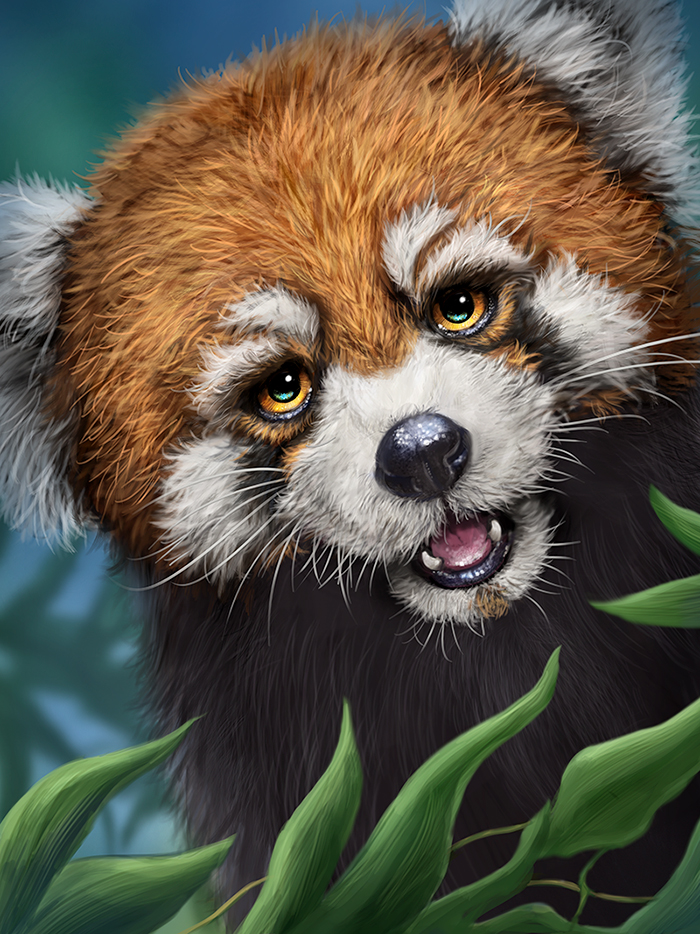
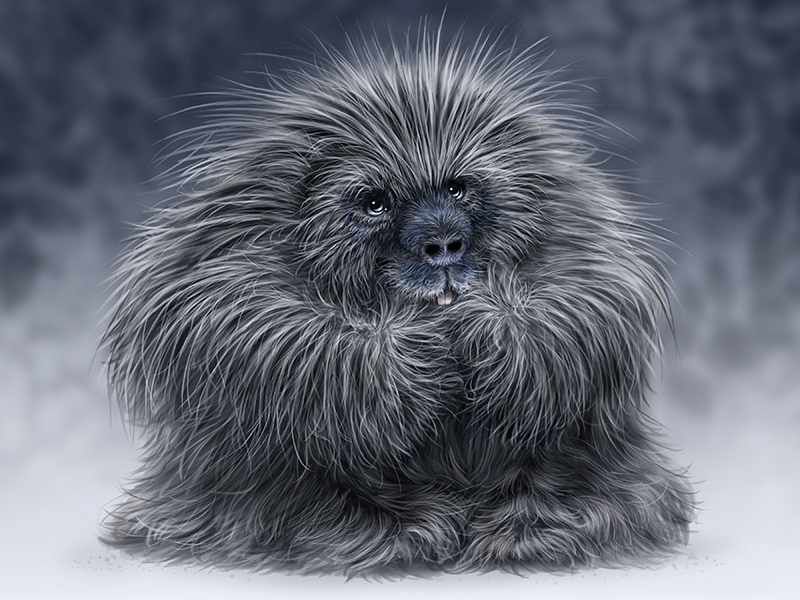
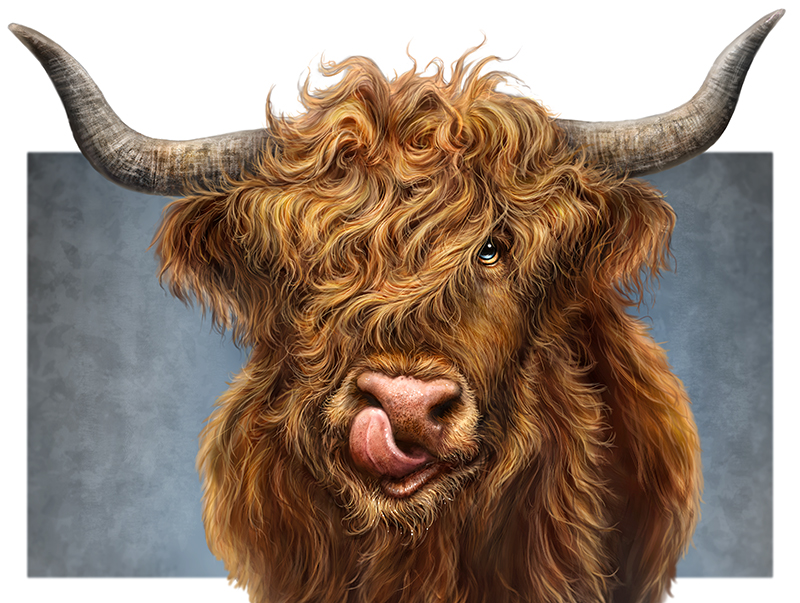
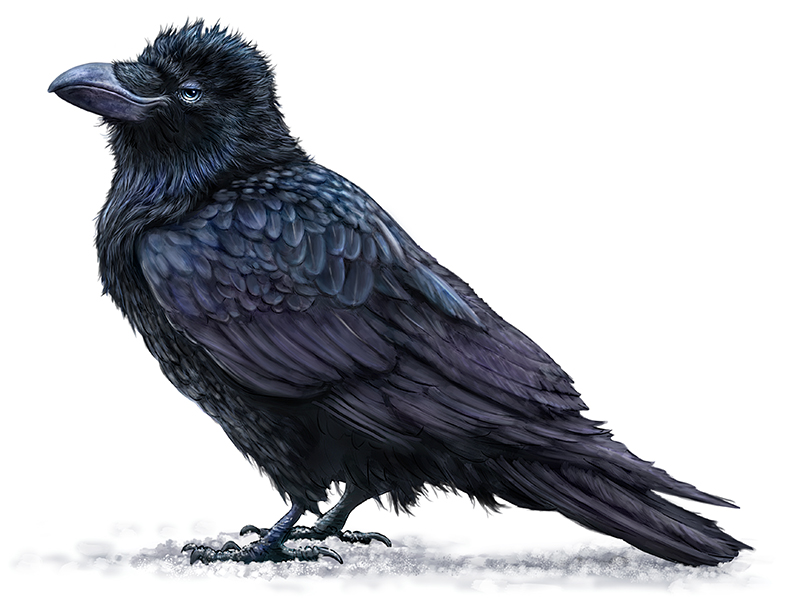
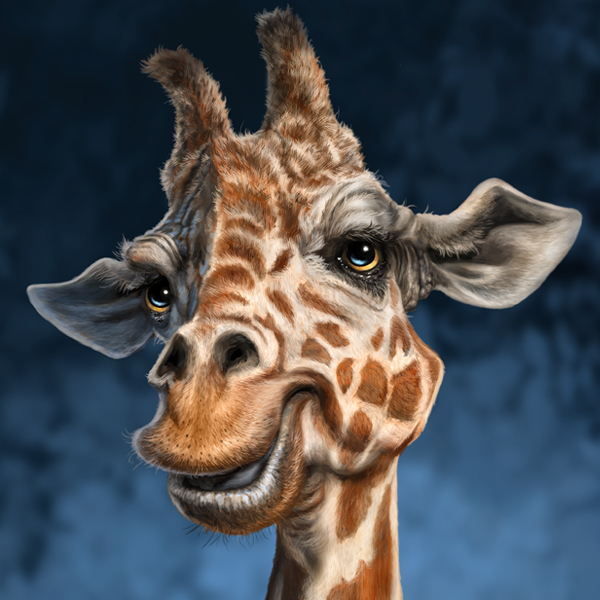
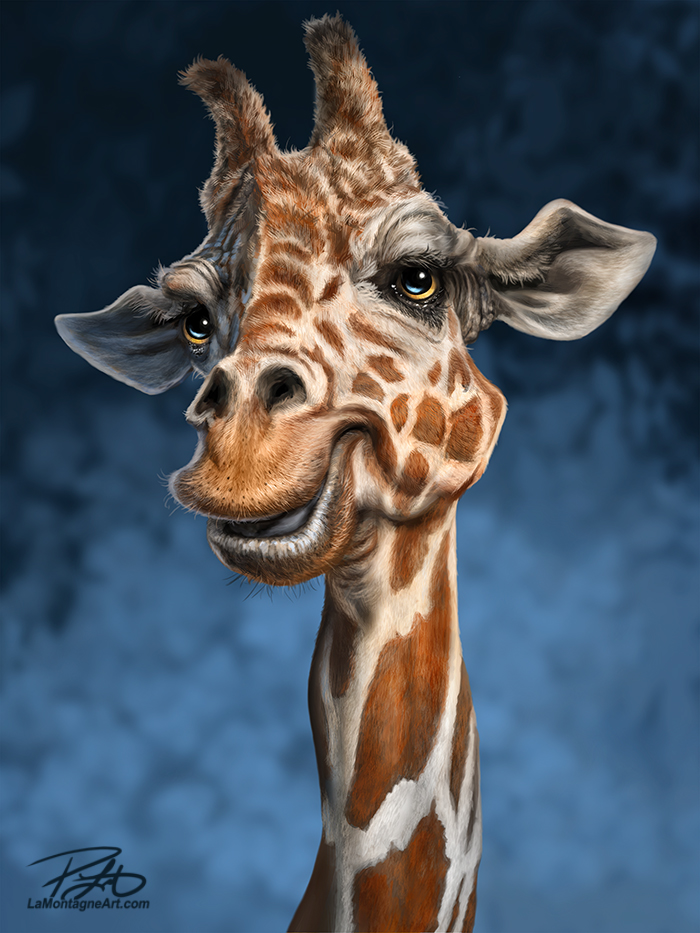
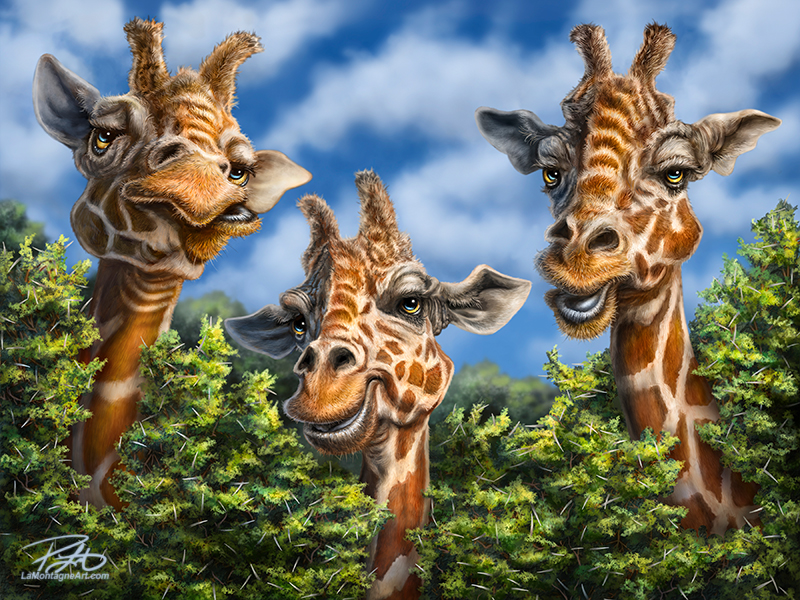 If you’d like to see more about how that came together, that original
 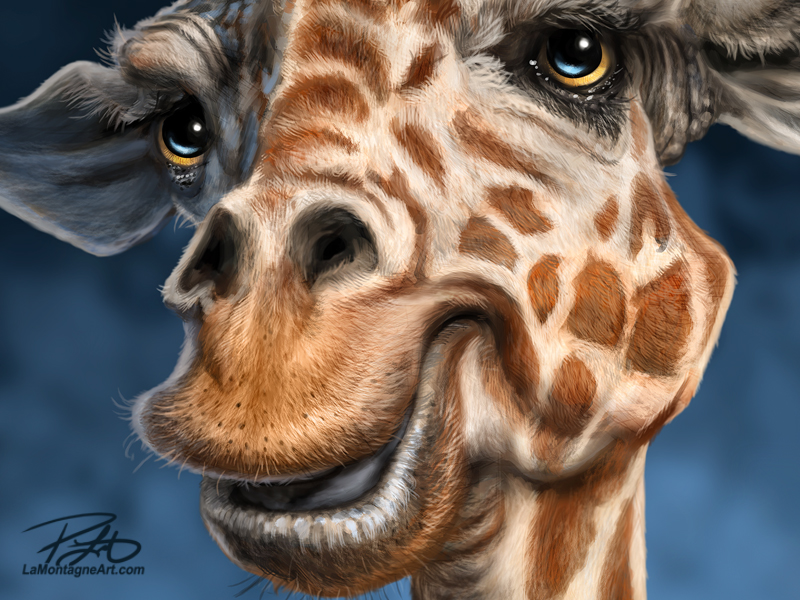 I chose the middle giraffe and spent a few hours Saturday morning refining it. More detail. A slight softening and tweak to the expression to bring out more personality.

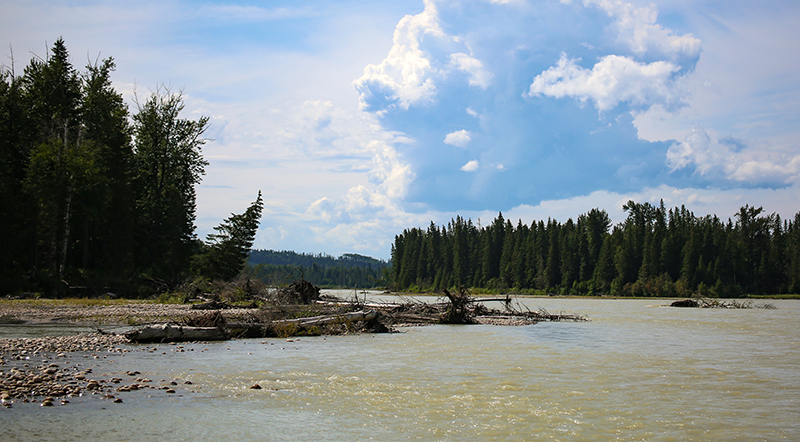 This past week, Shonna and I headed north to visit her Dad and family. It’s a seven-hour drive from here, and we haven’t been up there in quite some time. We planned these dates awhile ago, and thankfully both of our workloads were a little more manageable right now, with good weather for the trip.
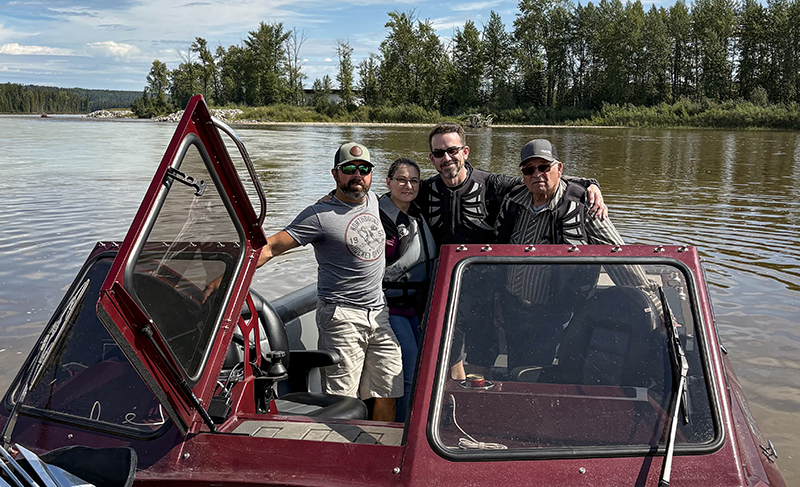 Every time I take the camera out, I learn something new, usually by making a mistake. This time, I left my new DJI Action Pro 5 in the car, not wanting to keep everyone waiting. That was foolish, since this kind of trip is exactly what the camera is designed for. I could have clamped it to the windshield, pressed record, and left it running. Instead, I relied on my phone for short video clips.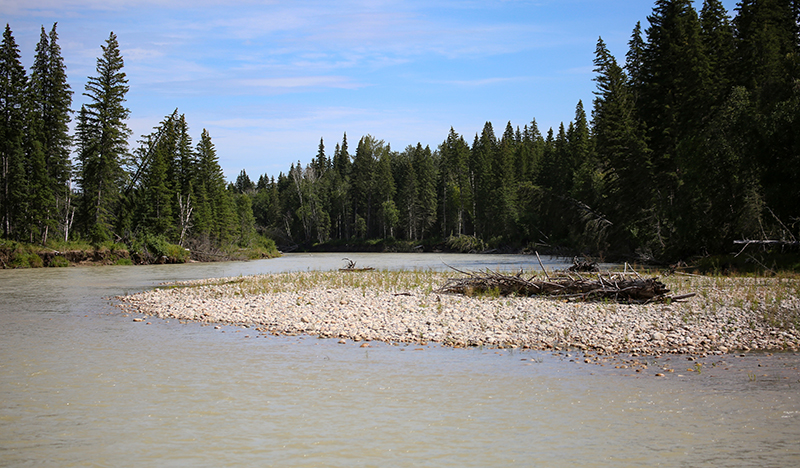
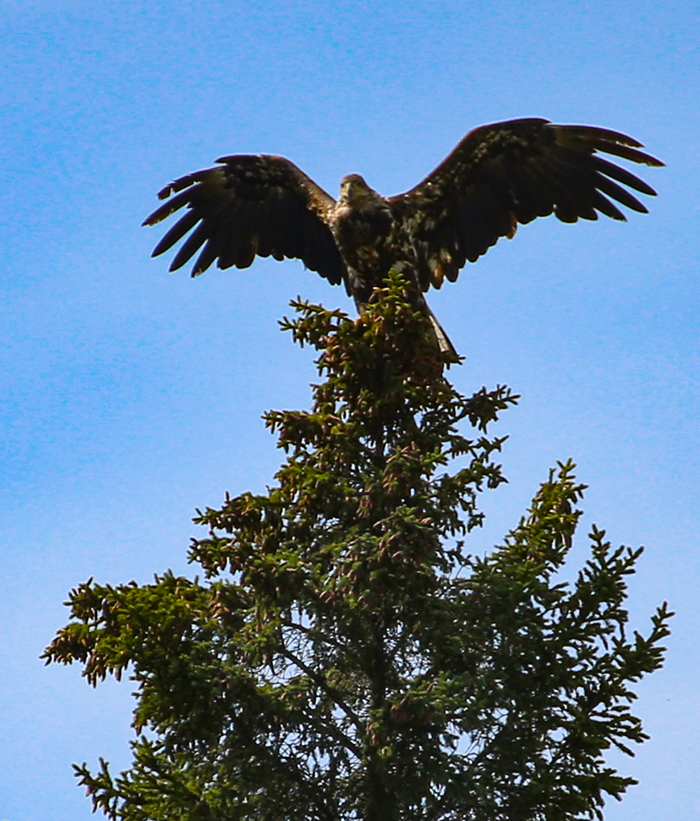
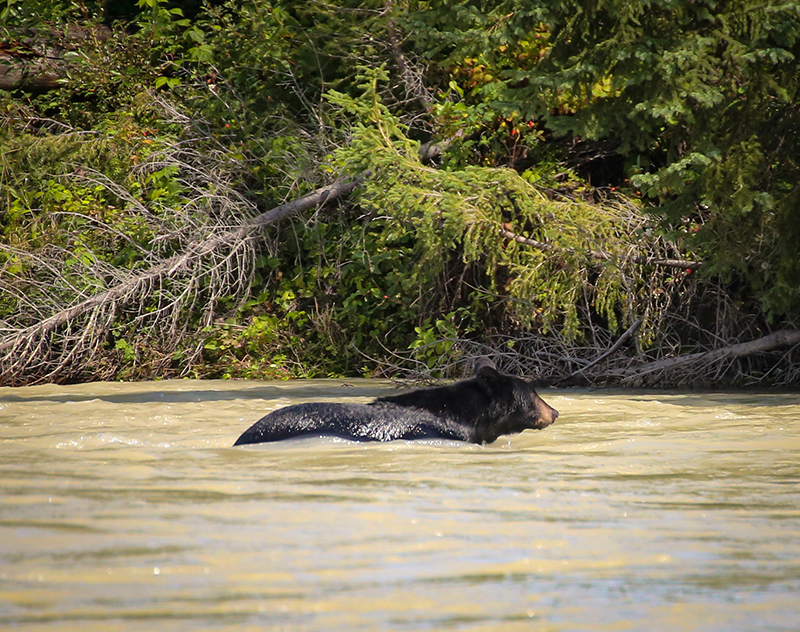
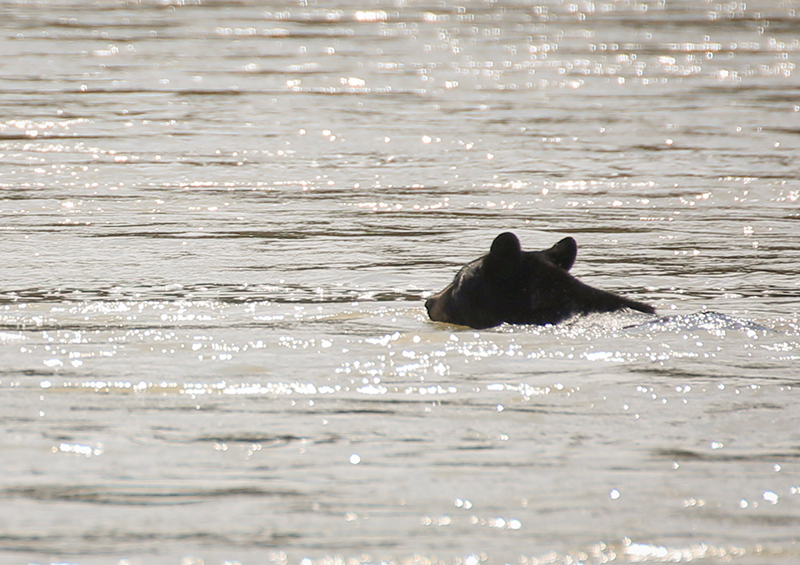 None of the shots from the river are good enough for reference, but I never know where inspiration might come from. Seeing wildlife in the wild is always worth it.
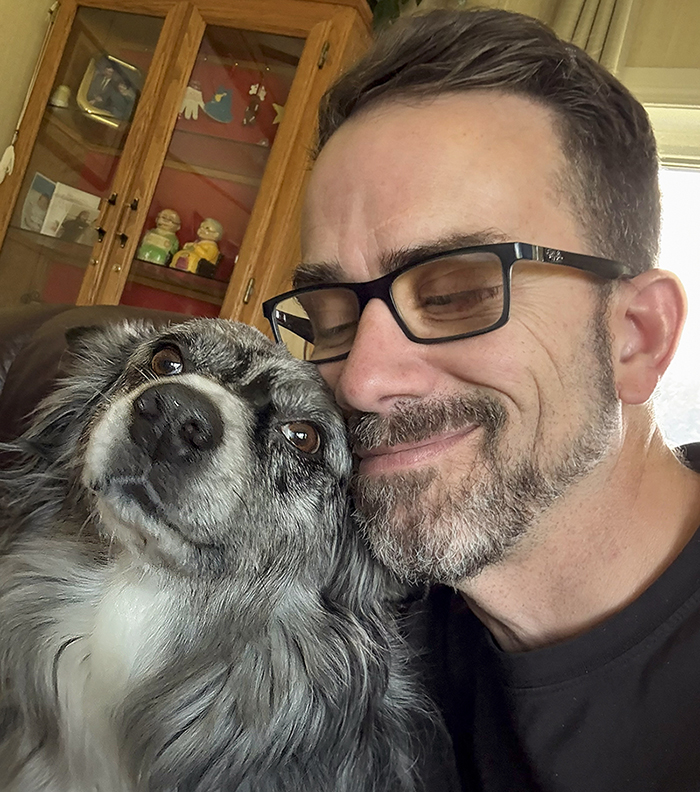
 Even without the river encounters, we enjoyed some friendly domestic critters. Shonna’s parents’ dog, Jetta, is a classic rural yard dog. Her job is to bark at strangers, but once she warmed up, we were fast friends. I like that her grey matches mine.
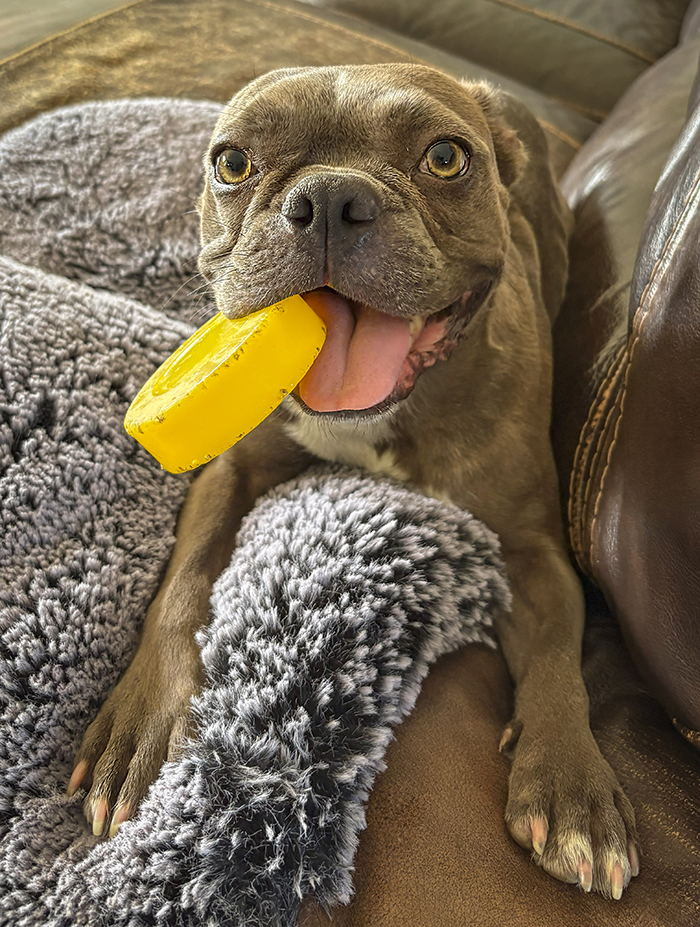
 Shonna’s brother’s dog, Tess, is a bundle of energy with no slow setting. I’m surprised she sat still long enough for me to take a photo. Go ahead, try to take the puck. I dare you.
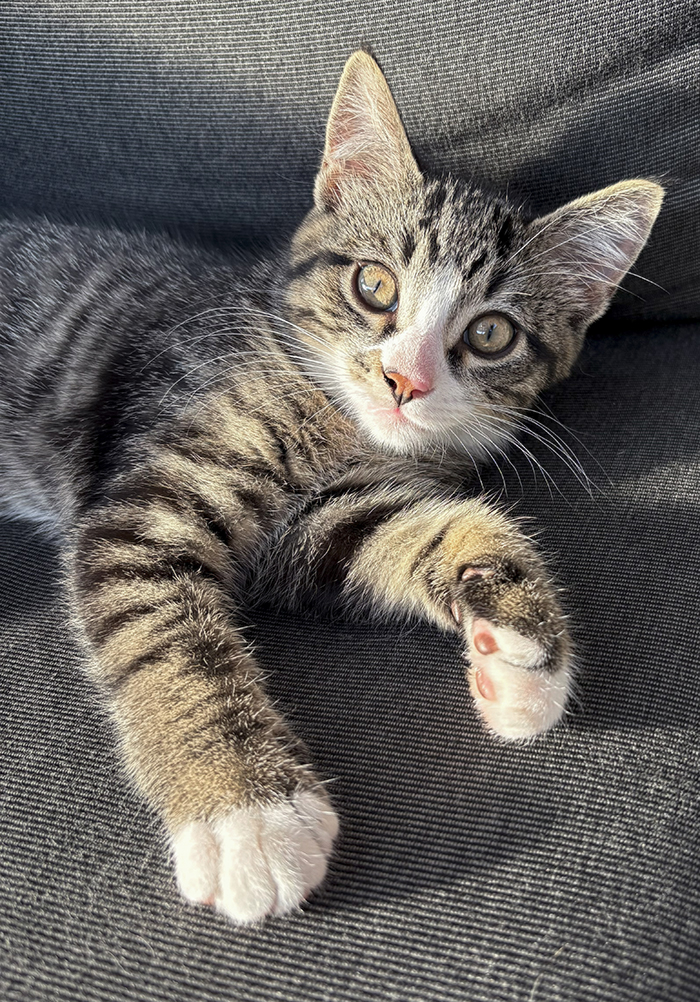
 But the star of the show was their new kitten, Minnie. Already a people cat, she was affectionate, vocal, and had an intoxicating purr. We joked that they would have to check our bags before we left to be sure she wasn’t coming home with us.
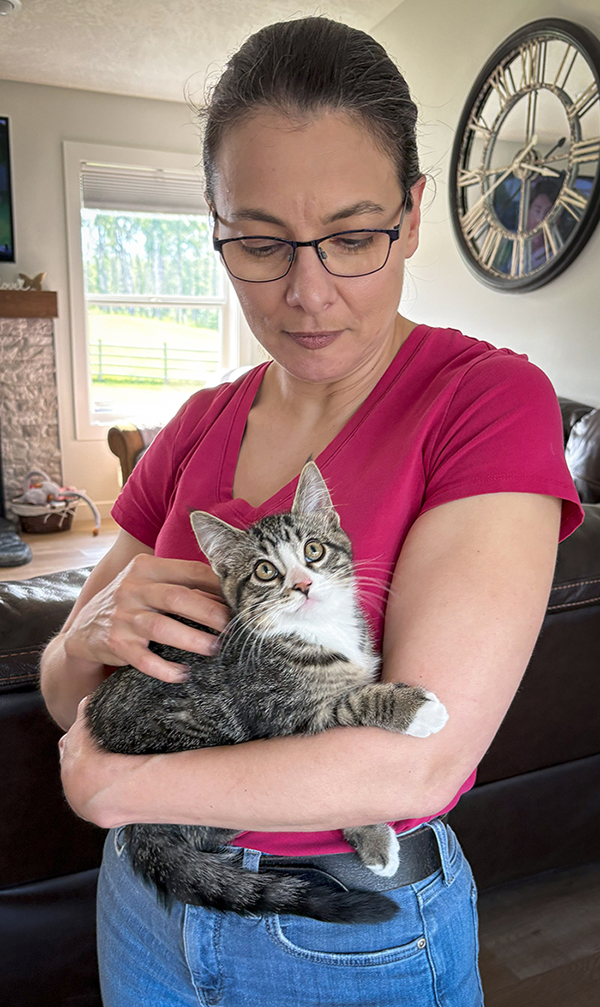 Whenever I photograph dogs or cats, I want to paint them, and Minnie was especially photogenic. I now have some strong reference shots, though with commissions waiting and a list of wildlife paintings underway, I don’t know when I’ll get to them. That is why the idea of ever retiring feels ridiculous. There are too many animals to paint.
 On the way home Wednesday, we stopped at the cabin I often rent with friends so I could finally show it to Shonna. I had checked ahead and the owners said we were welcome to drop by between guests. Shonna and the owners have heard plenty about each other, so the introduction was overdue.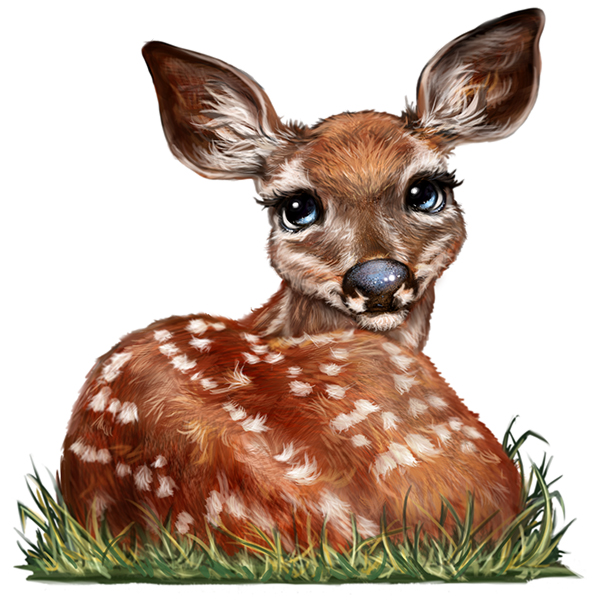
 I’ve been working on a commission of three cats, and it’s coming along well. The client has provided some valuable feedback on the images I’ve shared so far. I’ve also recorded a bunch of the process, written the video narrative, and I’m still working on that video and the painting itself.
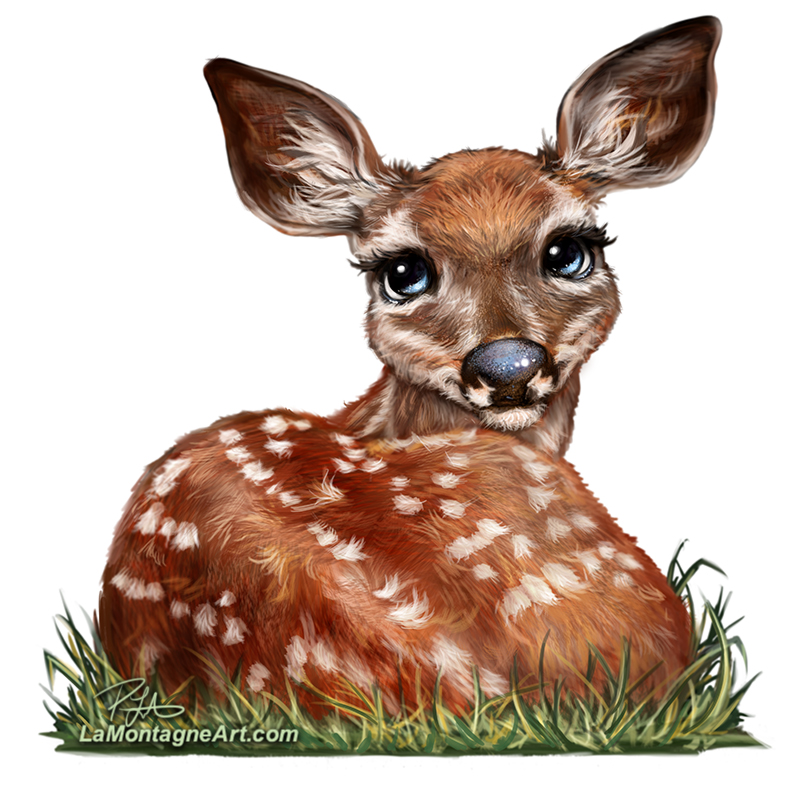
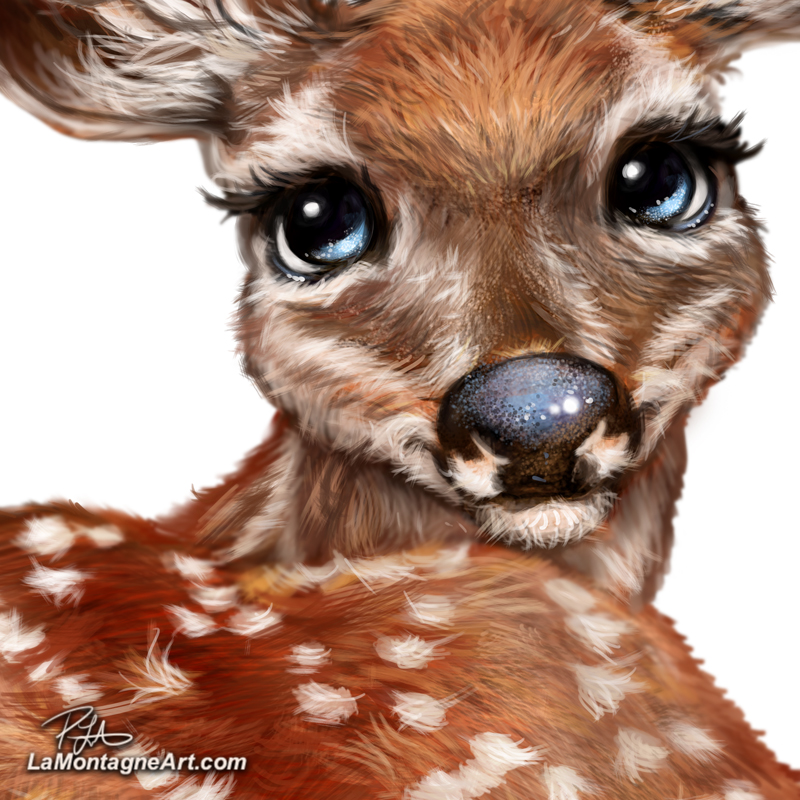 I based this little fawn on reference I shot at